
LogoAhaPrompt
  • 提示詞
  • 精選
  • 模型
  • AI 反推
  • 定價
  • 投稿
  • 部落格
AhaPrompt

圖片、影片、音訊 AI 提示詞庫

探索

  • 全部提示詞
  • 精選提示詞
  • 圖片提示詞
  • 影片提示詞
  • 音訊提示詞
  • AI 模型

工具

  • AI 反推工作臺
  • 圖片反推提示詞
  • 影片反推提示詞

資源

  • 定價方案
  • 投稿提示詞
  • 部落格

版權所有 © 2026 AhaPrompt 保留所有權利。

隱私政策條款與條件退款政策版權申訴 / DMCA
首頁AI 提示詞庫AI 圖片提示詞极简手绘纸艺封面
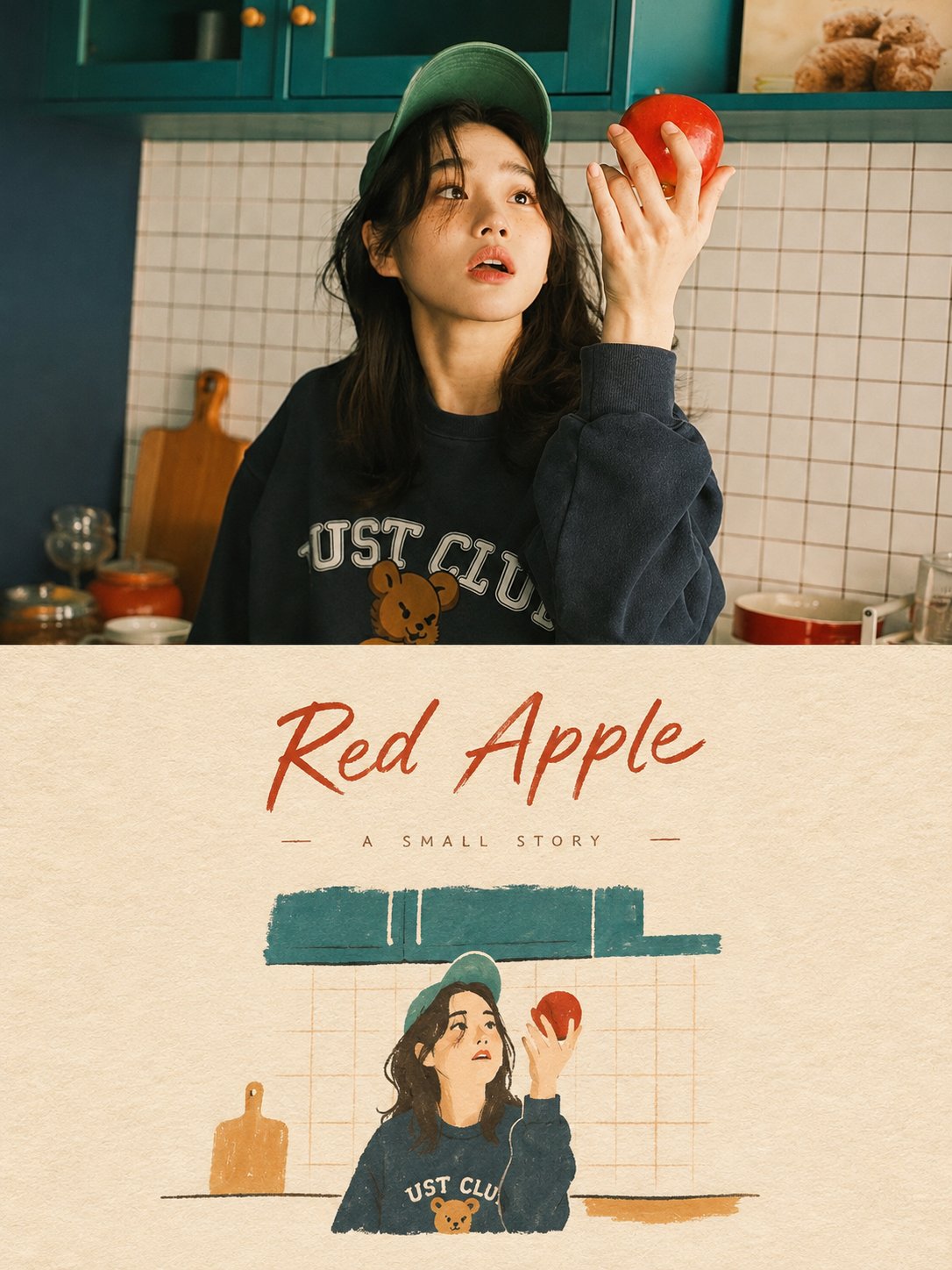
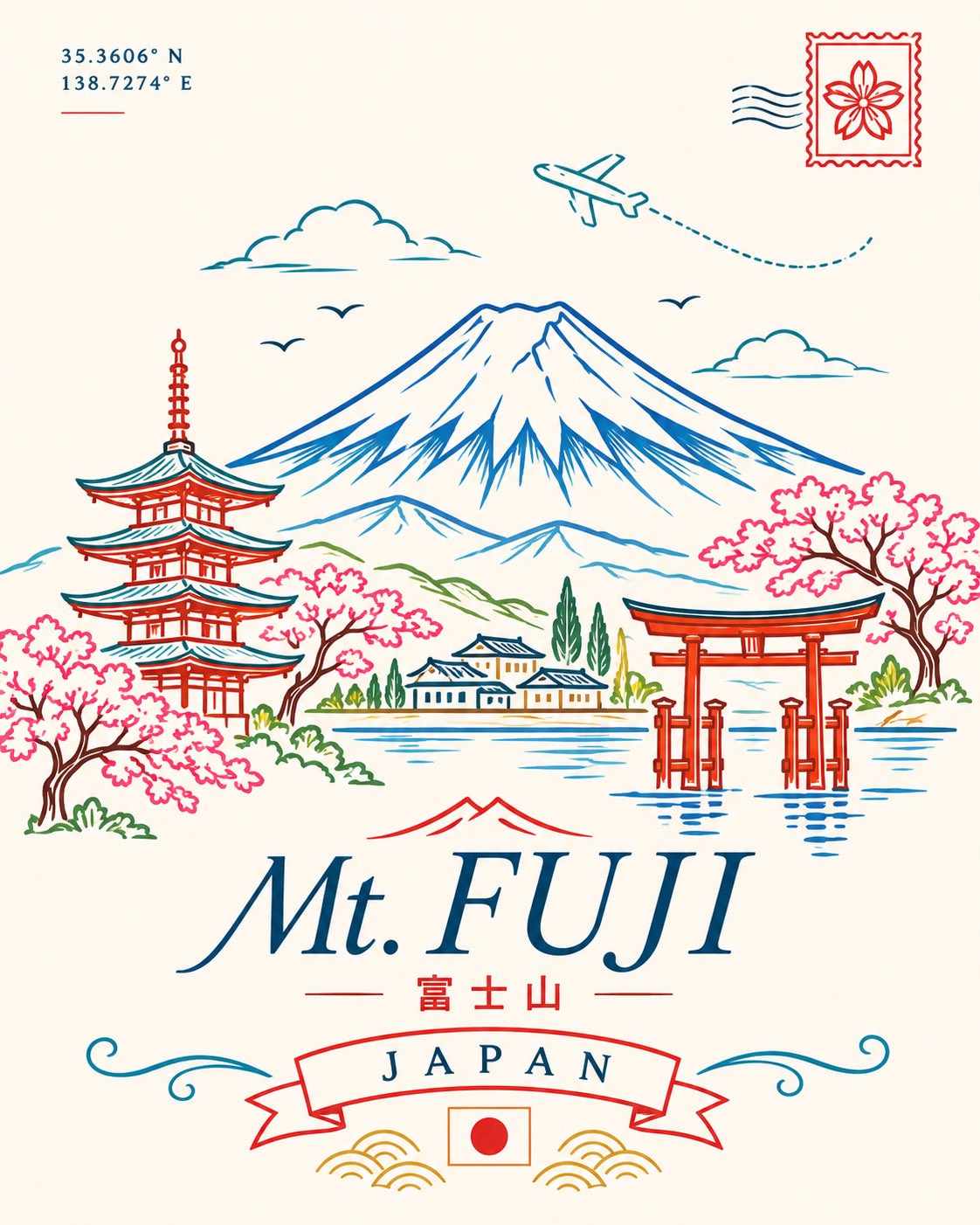
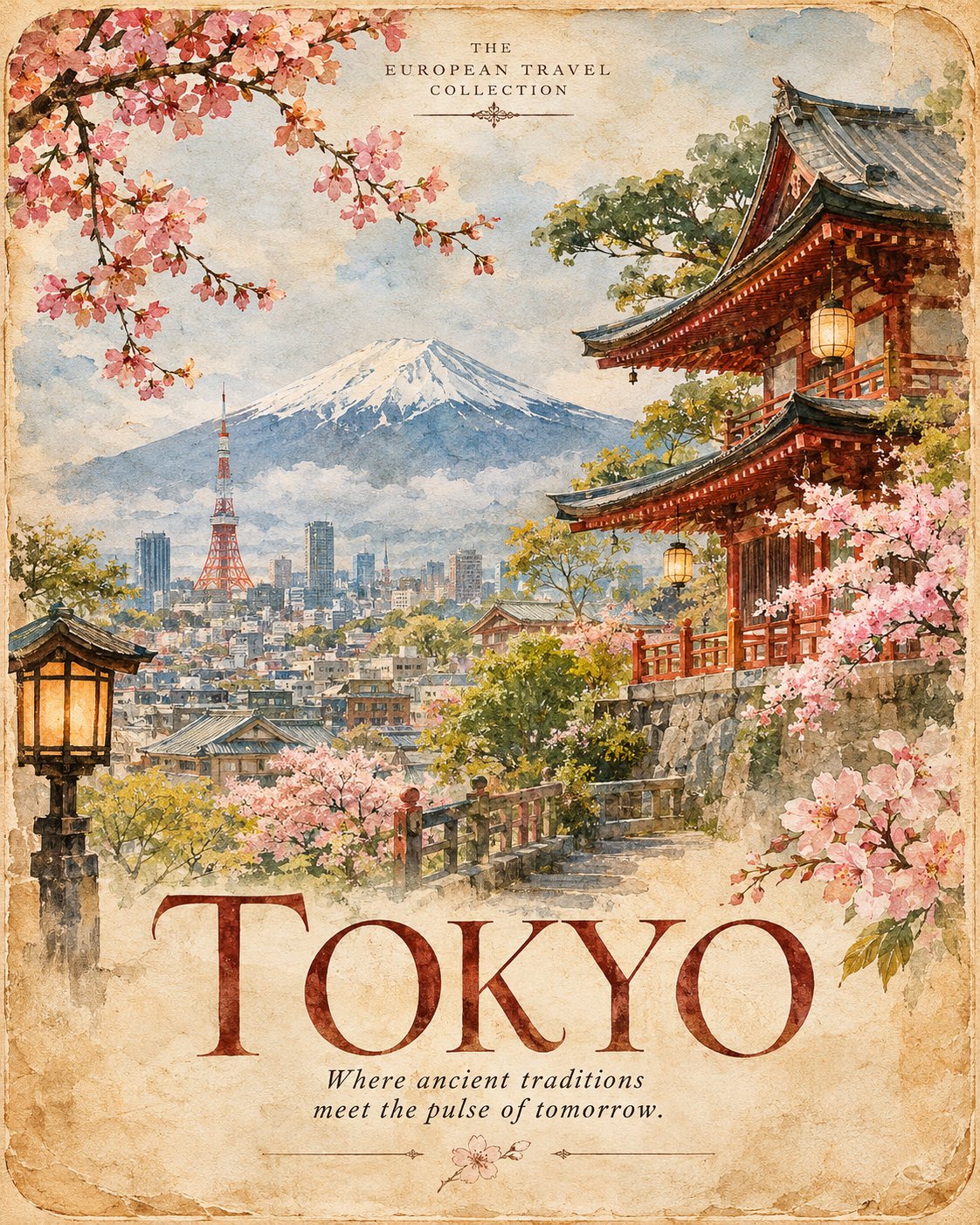
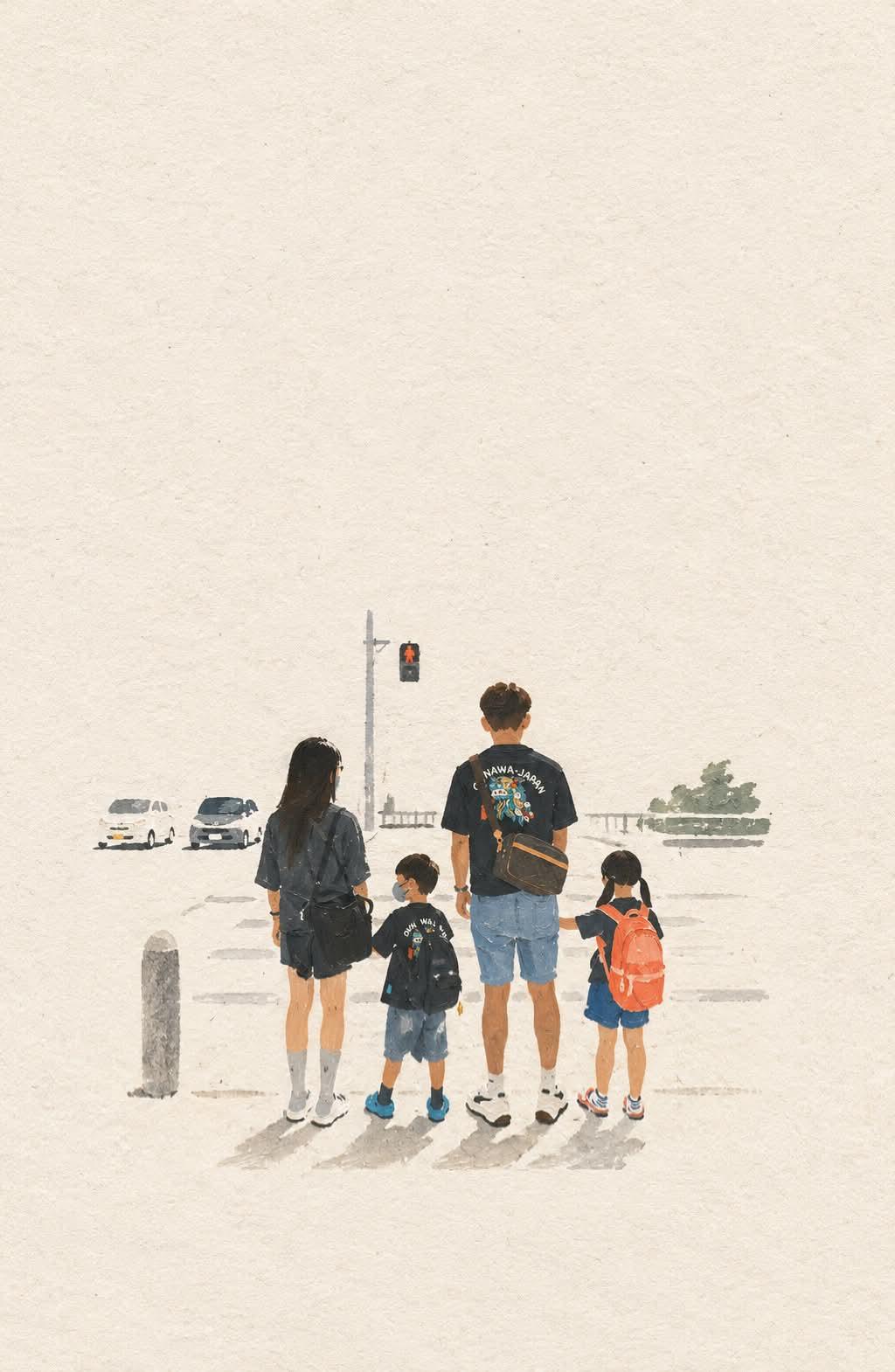
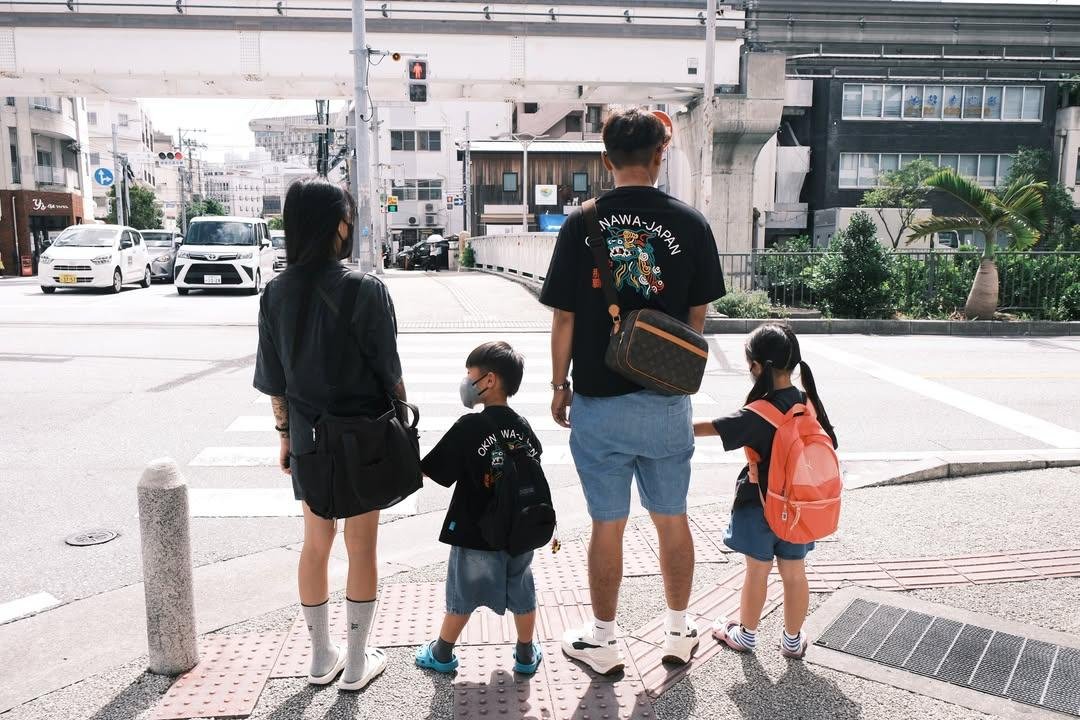
极简手绘纸艺封面 — AI image prompt — GPT Image 2.5 — Watercolor, Minimalist, Sketch - 1
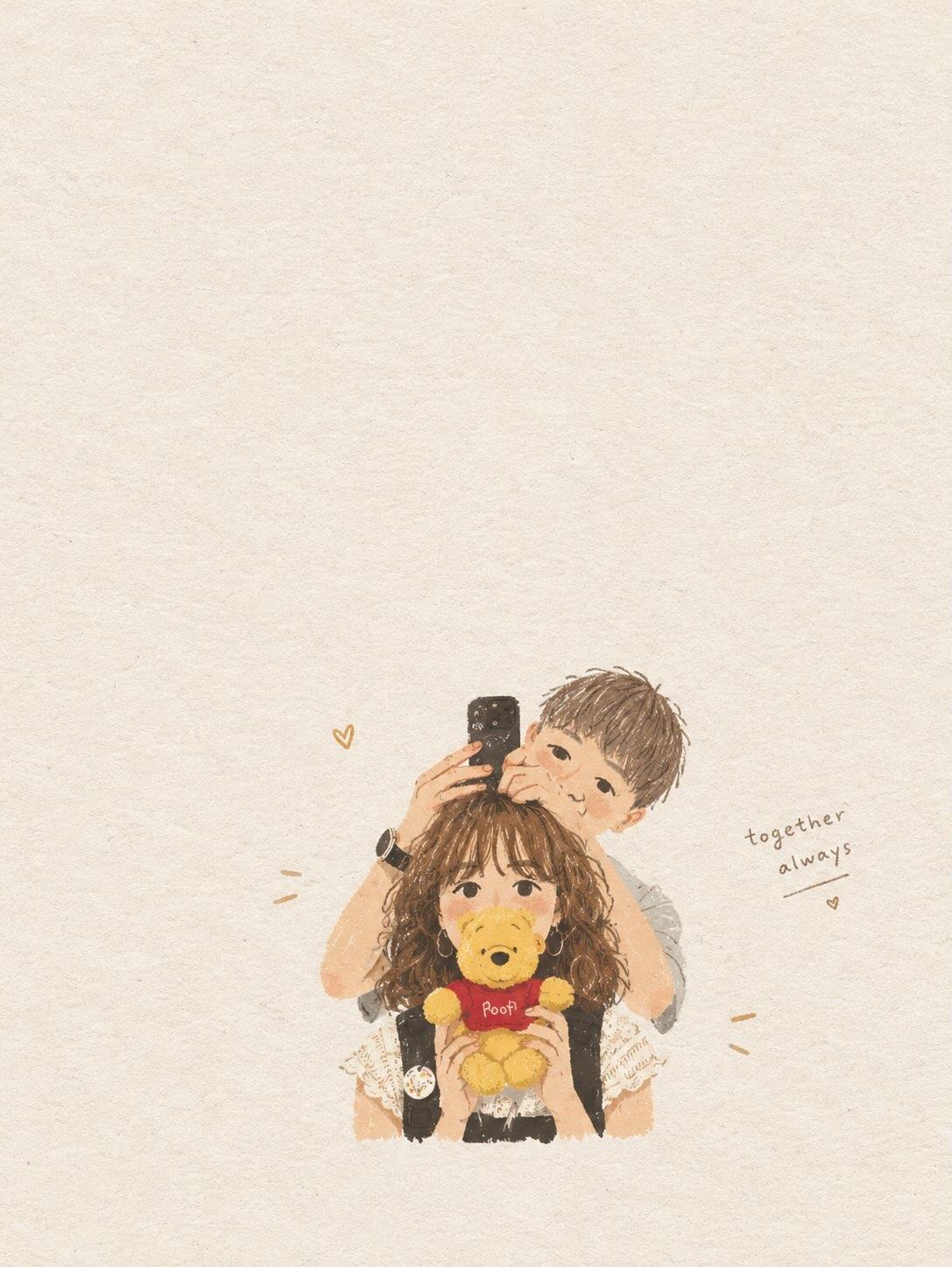
极简手绘纸艺封面 — AI image prompt — GPT Image 2.5 — Watercolor, Minimalist, Sketch - 2
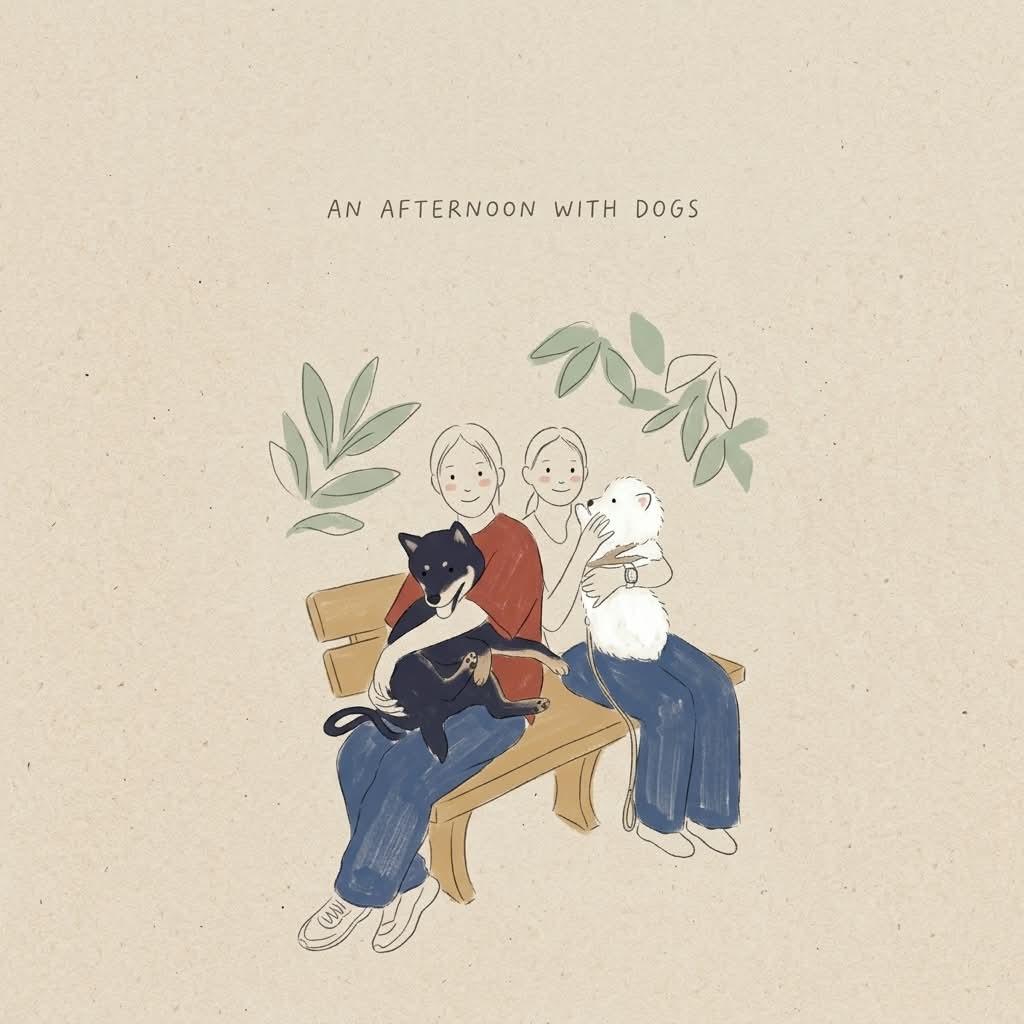
极简手绘纸艺封面 — AI image prompt — GPT Image 2.5 — Watercolor, Minimalist, Sketch - 3
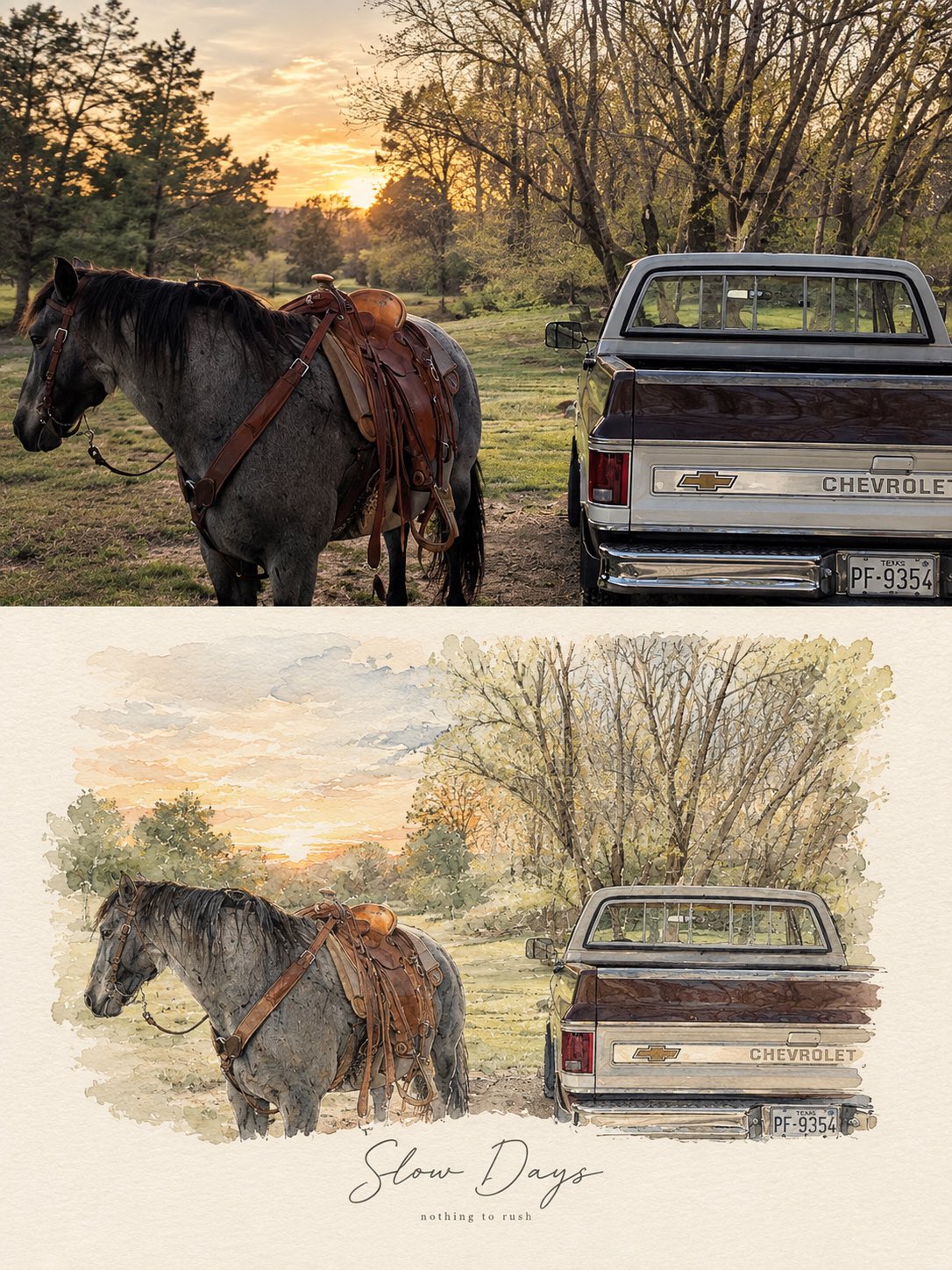
极简手绘纸艺封面 — AI image prompt — GPT Image 2.5 — Watercolor, Minimalist, Sketch - 4

极简手绘纸艺封面

OpenAIGPT Image 2.5OpenAIimage

极简手绘纸张插画 将上传的照片转化为极简主义、手绘质感、纸张纹理的艺术封面。 构图 - 主体应仅占画面的10–20%。 - 将主体置于构图底部中央附近。 - 在整个画面中留出大量负空间。 - 仅用少量线条或小块色块暗示环境。 保留 - 原始主体最具辨识度的特征。 - 核心轮廓与比例。 - 原始姿态或主要动作。 - 重要物体与关键细节。 - 核心故事、关系与情感氛围。 色彩方案 - 从原始照片中提取主色调。 - 将色板限制在不超过四种主色。 - 使用大胆而克制的平涂色块。 - 保持和谐、柔和的色彩组合。 - 添加微妙的纸张颗粒与手工笔触纹理。 简化 去除不必要的细节与视觉杂乱。仅保留使主体能够被瞬间识别所需的核心视觉信息。 字体排版 - 可选择性地加入少量简洁文字。 - 保持字体排版简短、含蓄且具有美学精致感。 - 将文字自然融入构图之中。 - 追求艺术书封面、独立出版、现代编辑设计或沉思型绘本的视觉语言。 - 如果字体排版不能提升构图效果,不要强行加入图片中。 风格与材质 - 细腻、略带不完美的手绘线条。 - 少量清晰明确的丙烯般平涂色块。 - 粗糙、具有触感的纸张纹理。 - 可见的手工笔触。 - 有机、不规则、自然的轮廓。 - 微妙的瑕疵,使作品具有真实的手工感。 整体氛围 安静、诗意、精致、极简、纯真、放松、艺术、沉思、独特且高级。 避免 - 彩铅渲染。 - 干笔效果。 - 水彩晕染或渗化。 - 纯线稿插画。 - 过于精细或写实的插画。 - 厚重肌理或浓稠油画质感。 - 平滑、精致的数字插画。 - 3D渲染、光泽表面或人工光照效果。 - 通用商业卡通风格。 - 电商广告美学。 - 通用海报模板。 - 过多装饰元素。 - 过于复杂的构图。 - 过多文字。 最终成果:一幅精致、极简、手工感十足的纸张插画,拥有充裕的负空间、克制的色彩、微妙的触感纹理,以及独立艺术书封面的高级质感。

詳細資訊
类型
AI 圖片提示詞
畫面比例
512:785
更新於
2026年10月24日
分類
WatercolorMinimalistSketch
Source

如何使用這條提示詞

  1. 1點選上方複製按鈕,複製完整提示詞。
  2. 2開啟 OpenAI 的 GPT Image 2.5,或任何風格相近的圖片生成工具。
  3. 3貼上提示詞,替換主體和風格關鍵詞,改成你想要的畫面。
  4. 4按示例參數(512:785 · Watercolor · Minimalist · Sketch)生成,再小步迭代——措辭的細微變化會顯著影響結果。

常見問題

這張圖片是用哪個 AI 模型生成的?

本圖由 OpenAI 的 GPT Image 2.5 生成,頁面上的提示詞就是生成它的原始文字。

這條提示詞用了哪些參數?

示例由 GPT Image 2.5 生成,參數:512:785 · Watercolor · Minimalist · Sketch。沿用這些參數可獲得最接近的效果。

怎樣才能生成相似的效果?

先原樣複製提示詞,只替換主體、保留風格/光影/構圖關鍵詞,多生成幾次——每次輸出都會有差異。

可以修改這條提示詞嗎?

當然可以。提示詞最適合作為起點——調整描述詞、寬高比或風格標籤,做出屬於你自己的作品。
更多 GPT Image 2.5 提示詞

Create a refined, high-end PHOTO + MINIMAL WATERCOLOR VIGNETTE artwork based entirely on the uploade — AI image prompt — GPT Image 2.5
OpenAIGPT Image 2.5
Create a refined, high-end PHOTO + MINIMAL WATERCOLOR VIGNETTE artwork based entirely on the uploaded photograph. Use the photograph as the only visual reference and preserve the exact subject, composition, environment, clothing, objects, lighting, colors, and mood. FORMAT: Vertical 3:4 editorial composition. TOP SECTION — ORIGINAL PHOTOGRAPH: Place the original photograph in the upper 55–60% of the canvas. Keep it photorealistic and naturally detailed. Do not alter the identity, pose, proportions, objects, architecture, scenery, or important visual details. Give it a subtle premium editorial photography finish with natural cinematic light and gentle tonal balance. BOTTOM SECTION — HAND-PAINTED INTERPRETATION: Transform the same exact scene into a delicate minimal watercolor and fine-ink illustration. Recreate the main subject, pose, perspective, key objects, and recognizable background elements from the photograph. Use loose watercolor washes, subtle pencil/ink outlines, imperfect hand-painted edges, soft paper texture, and restrained pastel tones. Keep the illustration airy, elegant, and slightly imperfect rather than digitally polished. The illustration should feel like a fashion/lifestyle magazine sketchbook page, with plenty of clean negative space and a warm off-white textured paper background. Do not introduce new subjects or details. TYPOGRAPHY: Add a short elegant handwritten brush-script phrase underneath or integrated naturally into the illustrated section, similar to a premium lifestyle editorial poster. Underneath it, add a tiny minimalist lowercase serif/sans-serif subtitle. Typography should be subtle, sophisticated, thin, and balanced with the artwork. AESTHETIC: Scandinavian editorial design, quiet luxury, nostalgic travel journal, soft watercolor, delicate ink drawing, handmade paper texture, muted natural palette, sophisticated minimalism, emotional storytelling, premium art-book layout. IMPORTANT: The photograph and illustration must clearly represent the same exact moment and scene. No collage of unrelated images, no dramatic redesign, no excessive watercolor, no cartoon appearance, no heavy outlines, no saturated colors, no clutter. Output: photorealistic upper section + matching delicate watercolor illustration below, seamless premium editorial composition, vertical 3:4, high detail. For different photos, just change the text phrase Examples: •Good Days — a kinder me •Better Together — same window, same silence •Little Moments — worth remembering •Slow Days — nothing to rush •Somewhere Quiet — just for a while •Golden Hours — softly remembered
檢視詳情
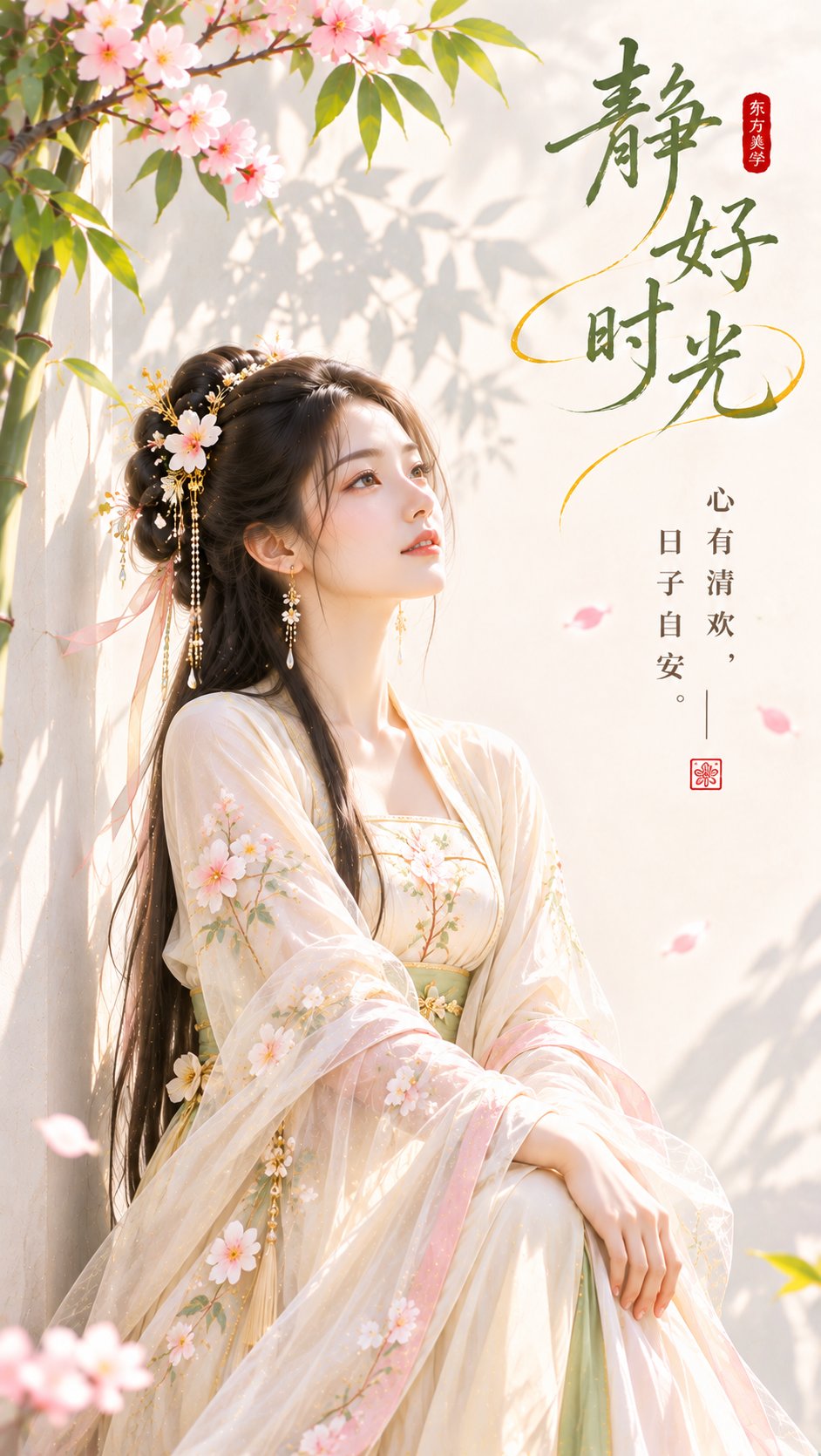
9:16竖版,东方禅意极简女性封面海报,现代新中式审美,明亮、通透、柔和、精致,高颜值女性向封面。

一位24–27岁的成年东方女性,精致柔和的鹅蛋脸,清亮杏眼,淡妆,白皙自然肤质。深棕黑色长发半盘发 — AI image prompt — GPT Image 2.5
OpenAIGPT Image 2.5
9:16竖版,东方禅意极简女性封面海报,现代新中式审美,明亮、通透、柔和、精致,高颜值女性向封面。 一位24–27岁的成年东方女性,精致柔和的鹅蛋脸,清亮杏眼,淡妆,白皙自然肤质。深棕黑色长发半盘发,少量白花与浅金发簪点缀。 人物坐在暖白墙边,身体轻微侧转,双腿自然收拢,一只手自然搭在膝盖上,另一只手轻放前方,微微抬头望向右上方,神情安静、松弛、温柔。肩颈、手臂、手腕和手指结构自然协调。 人物穿珍珠白与浅杏色古风襦裙,外罩轻薄宽袖纱衣,局部带少量桃粉花枝与浅绿叶片刺绣,服装轻盈精致但不过度华丽。 背景为大面积暖白墙面,左侧少量竹枝与竹影,少量桃粉花瓣飘落。人物位于中下部偏左,占画面高度约60%,右上方保留大面积连续留白用于标题。 色彩控制:暖白为主基底,青竹绿只用于竹叶与少量服饰细节,桃粉只用于花瓣点睛,浅金只用于发饰;颜色各自归位,禁止整图粉绿化、发灰、发黄。 明亮自然侧光,竹影清晰,人物面部柔亮,发丝和薄纱有轻微轮廓光,整体干净、通透、有呼吸感。 留白处加入东方艺术标题: 「静好时光」 副文案: 「心有清欢,日子自安。」 搭配一枚小型朱红印章。 负面约束:不要人物比例异常,不要肩臂反转,不要多手多指,不要手指畸形,不要网红脸,不要灰雾,不要脏黄,不要复杂背景,不要满屏花朵。
檢視詳情
create a 3:4 vertical high-end art poster from the uploaded photo, with 50% of the image on each sid — AI image prompt — GPT Image 2.5
OpenAIGPT Image 2.5
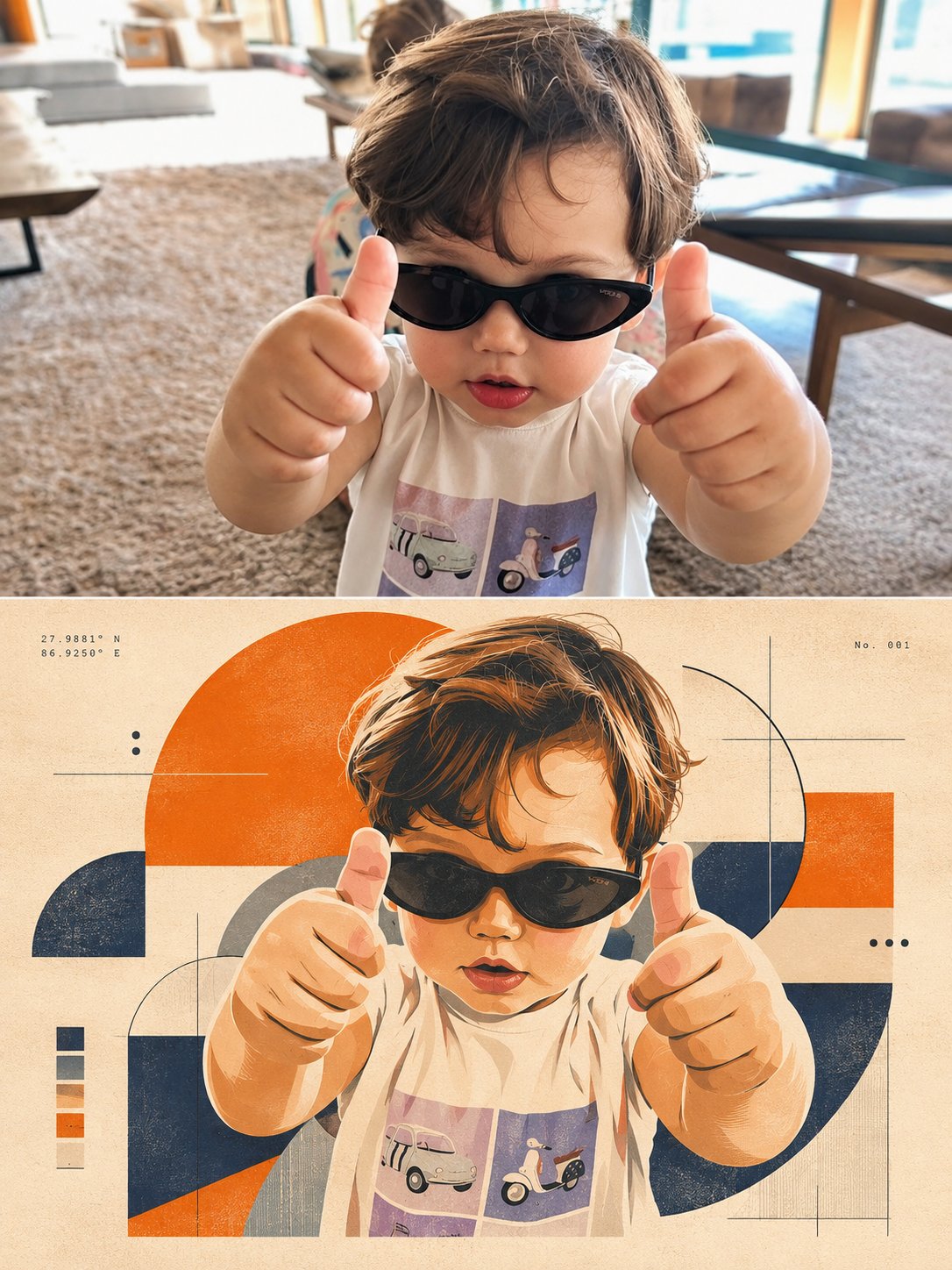
create a 3:4 vertical high-end art poster from the uploaded photo, with 50% of the image on each side strictly in the same position, presenting a dual-layer design of 'real photography × abstract geometric art'. Top half|Real photography The original image is preserved in its entirety, including the person, posture, composition, natural light, and color atmosphere, with only the color tone being refined, presenting a high-end art photography and independent publication quality. The background can be naturally extended, but the facial features, body shape, or original details of the person cannot be changed. Bottom half|Abstract visual The image is extracted from the photo to transform the person's posture, interaction, scene outline, and representative elements into minimalist geometric illustrations and abstract visual symbols. Color blocks, curves, lines, grids, and negative space are re-structured to maintain the original image's recognizability, but not directly copy the photo. Design style Combining Bauhaus, deconstructive Swiss flat design, Post-digital Graphic Design, and Japanese art publication aesthetics. The composition is restrained, the proportions are precise, and a large amount of blank space is left, combining rational order with artistic warmth. Color and Material Extract the main color from the original image, combined with warm white, low-saturation color tones, and a small amount of contrast color. Add Risograph embossed printing particles, vintage paper texture, subtle offset printing inaccuracies, and scanning noise to create a refined physical print quality. Layout Details Only use a very small number of tiny numbers, coordinates, fine line markings, and color tickets as design elements, without using large headlines. All elements must be coordinated with the main visual, avoiding excessive information. Final Result A collector's-level poster for high-end design studios, art institutions, or independent publications. The top half is realistic and natural, while the bottom half is abstract yet instantly recognizable as the original image concept. The overall design is refined, minimalist, and stylish, avoiding cheap commercial illustrations and excessive decoration
檢視詳情
Create a premium artistic travel poster inspired by the uploaded photograph. Use a sophisticated 3:4 — AI image prompt — GPT Image 2.5
OpenAIGPT Image 2.5
Create a premium artistic travel poster inspired by the uploaded photograph. Use a sophisticated 3:4 vertical composition divided into two sections. TOP HALF (50%): Preserve the original photograph as a breathtaking, photorealistic landscape. Maintain natural lighting, realistic textures, atmospheric depth, and the original scene's composition. BOTTOM HALF (50%): Transform the main subject or location into a beautiful hand-drawn editorial illustration. Use Japanese vintage poster aesthetics, delicate ink outlines, watercolor textures, geometric shapes, abstract patterns, botanical elements, and flowing organic lines. DESIGN STYLE: Minimalist Japanese-inspired graphic design, Scandinavian aesthetics, muted navy blue, warm terracotta, dusty beige, soft grey, and off-white palette. Add subtle paper grain, imperfect hand-painted textures, collage elements, and carefully balanced negative space. LAYOUT: Keep the illustration centered and visually connected to the photograph above. Add small decorative details, geometric frames, dotted patterns, and elegant botanical sketches. Include a tiny Japanese-inspired typography element at the bottom. Overall aesthetic: Premium art gallery poster, vintage travel magazine, contemporary Japanese illustration, sophisticated editorial composition, handcrafted artistic finish. High detail, clean composition, beautiful visual balance, professional graphic design, 3:4 portrait ratio.
檢視詳情
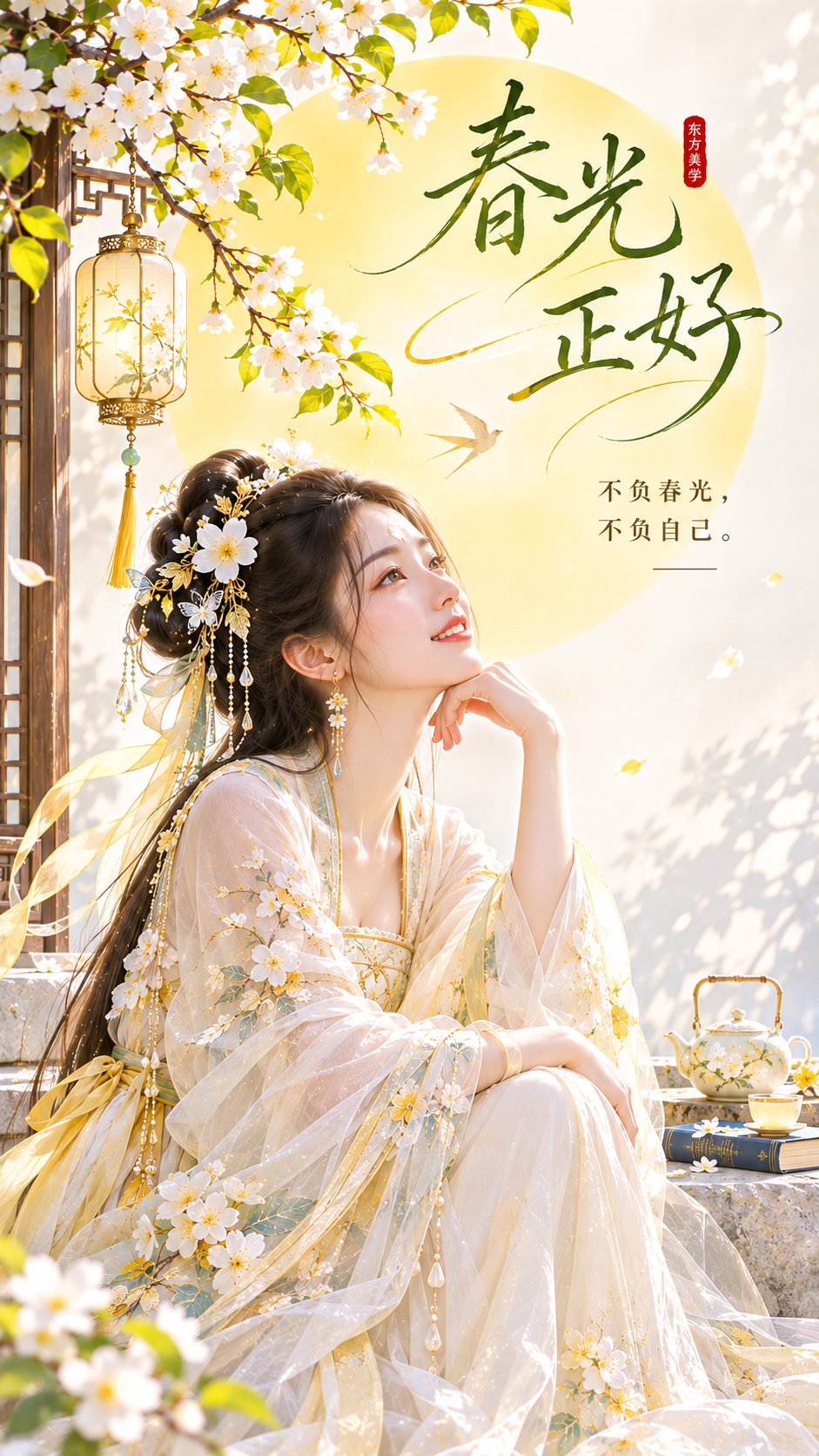
春光正好。

主题方向:东方禅意极简封面海报
风格分支:女性审美明快型
主体内容:一位古风女子坐在画面下方偏一侧的矮凳上,微微抬头看向远处
情绪母题:松弛、明朗、轻治愈
场景与意象:象牙白背景、柠檬黄 — AI image prompt — GPT Image 2.5
OpenAIGPT Image 2.5
春光正好。 主题方向:东方禅意极简封面海报 风格分支:女性审美明快型 主体内容:一位古风女子坐在画面下方偏一侧的矮凳上,微微抬头看向远处 情绪母题:松弛、明朗、轻治愈 场景与意象:象牙白背景、柠檬黄色圆形日光、女子、少量浅灰地面投影 构图与空间:9:16竖版构图,圆形日光位于中上部偏中位置形成视觉岛,人物位于下方偏侧,日光周围和上方保留标题空间 色彩控制:象牙白作为整体高明度基底,柠檬黄只用于圆形日光和少量暖反光,人物服装建议浅米白或淡奶黄;避免整体发黄 光线与质感:明亮柔光,背景纯净,边缘清楚,干净平面海报感 画幅比例:9:16 补充要求:标题可围绕圆形日光排布,整体像小红书爆款封面,明快但不刺眼
檢視詳情
Transform the uploaded photos into an individual, high-end design poster. Do not combine multiple im — AI image prompt — GPT Image 2.5
OpenAIGPT Image 2.5
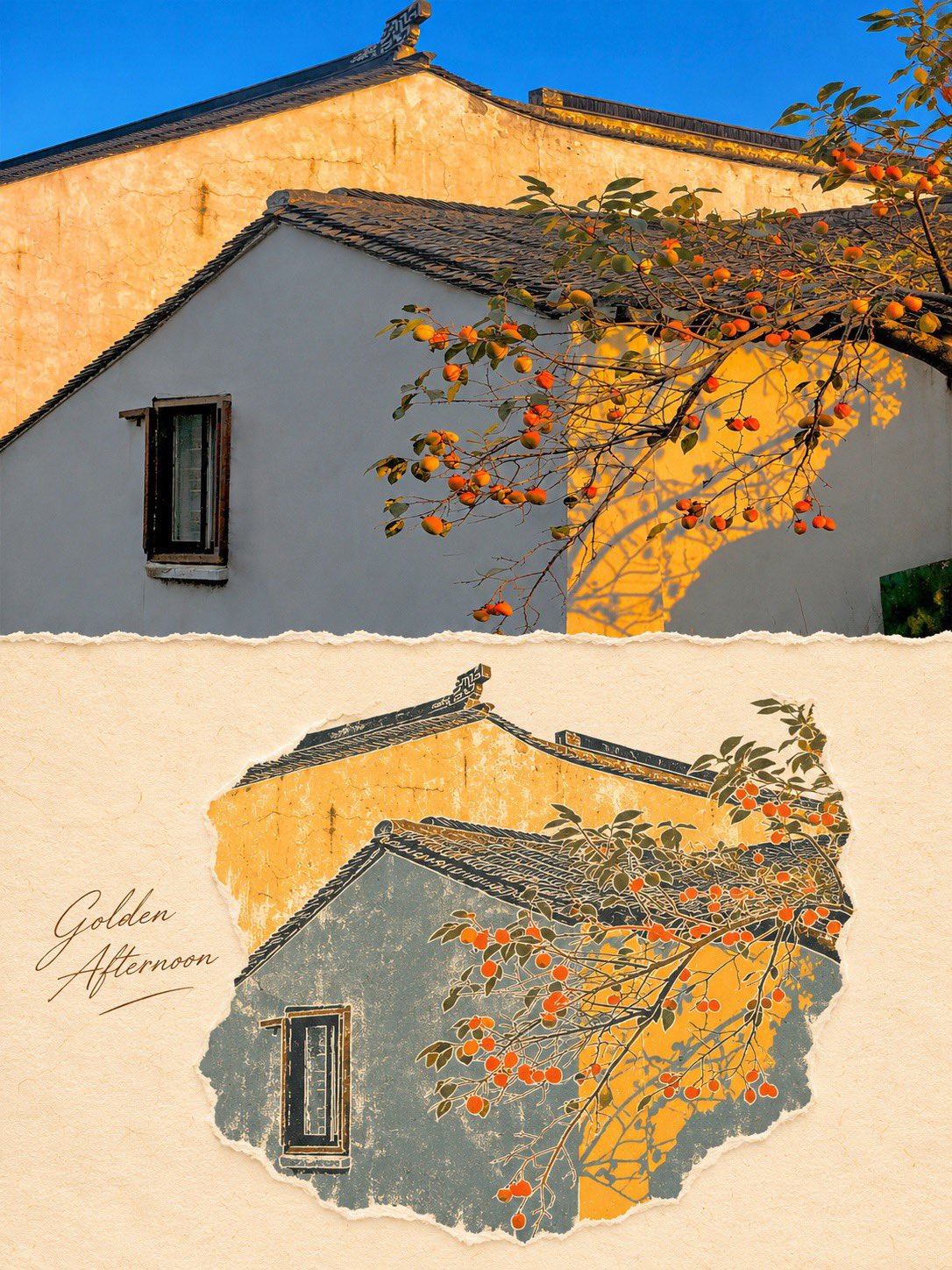
Transform the uploaded photos into an individual, high-end design poster. Do not combine multiple images; output each photo as a separate, standalone piece. Use a vertical {argument name="aspect ratio" default="3:4"} format, with the upper and lower sections divided strictly 1:1, each occupying 50% of the total composition. The upper section should retain the original photograph—preserving its core structure, authentic texture, natural lighting, and original color atmosphere—while applying subtle, high-end photographic color grading to evoke the aesthetic of magazine photography or art publications. To fit the frame, you may naturally extend the sky, ground, or environmental background, provided that the main subject remains undistorted and unaltered. The lower section should distill the most recognizable elements of the subject—its silhouette, posture, and narrative context—into a minimalist, hand-drawn, paper-textured cover illustration. Strip away complex details, retaining only the most essential visual features. Use delicate, slightly unsteady hand-drawn lines combined with a few distinct, flat-applied acrylic color blocks to represent the subject, ensuring it remains instantly identifiable. The subject should be small and concentrated—occupying approximately {argument name="subject proportion" default="10%–20%"} of the lower section—surrounded by ample negative space. The background should resemble rough or light-colored paper, with only minimal lines or color planes to suggest the environment. The color palette should be derived from the original photo and condensed into no more than four primary colors. These color blocks should be bold, solid, and restrained, incorporating textures like paper grain, visible brushstrokes, and slightly irregular edges. Lines should define the structure, while color blocks should establish the subject. Avoid styles such as colored pencil, crayon, watercolor washes, pure line art, complex realism, heavy oil-painting textures, slick digital illustrations, or 3D-rendered effects. You may incorporate a small amount of concise text—such as titles, keywords, subject names, locations, years, serial numbers, or short phrases—tailored to the content of each photo (not limited to urban themes). The typography should be sparse and restrained, blending naturally with the negative space and illustration to evoke the aesthetic of an art book cover, an independent publication, or a children’s picture book. The overall visual aesthetic features small subjects, ample negative space, a high degree of distillation, and strong recognizability. It conveys a sense of tranquility, childlike charm, and ease—evoking a poetic, sophisticated quality while steering clear of the look typical of commercial cartoons, e-commerce imagery, or generic templates.
檢視詳情
Create an elegant, minimalist architectural travel poster featuring [LANDMARK NAME], [CITY], [COUNTR — AI image prompt — GPT Image 2.5
OpenAIGPT Image 2.5
Create an elegant, minimalist architectural travel poster featuring [LANDMARK NAME], [CITY], [COUNTRY]. 1. MAIN ARCHITECTURAL ILLUSTRATION Feature the selected landmark as the central subject, illustrated entirely with delicate, continuous-looking hand-drawn outline strokes. Preserve the landmark’s distinctive architectural silhouette and recognisable proportions. Use clean, thin, slightly imperfect hand-drawn lines. Avoid solid fills, heavy shading and excessive details. Make the architecture look like a beautiful architectural sketch. 2. COLOUR PALETTE Use a sophisticated combination of 3–4 soft pastel colours for the outlines. Choose colours that complement the destination’s identity, architecture and cultural character. Examples: Paris: Dusty rose, lavender, soft blue and muted coral. London: Navy, muted red, sage and pale gold. Tokyo: Vermilion, jade, blush pink and warm grey. Italy: Terracotta, olive, dusty blue and ochre. Greece: Aegean blue, turquoise, muted coral and lavender. Every destination must have its own unique colour combination. 3. FLOATING TRAVEL DETAILS Add a few delicate decorative elements around the landmark: A small flying aeroplane with a dotted curved flight trail. Tiny birds, clouds or stars. Minimal geographical coordinates. A small travel stamp or destination symbol. Subtle architectural decorative details. Keep everything light, delicate and uncluttered. 4. TYPOGRAPHIC ELEMENTS Add the landmark’s name in elegant, refined typography. Include: [LANDMARK NAME] [CITY, COUNTRY] Place the destination name in a beautiful decorative ribbon banner near the bottom, leaving sufficient space for the illustration. Use sophisticated serif or handwritten typography. 5. BACKGROUND & COMPOSITION Use a beautiful warm ivory or soft cream background with subtle handmade-paper texture. Maintain generous negative space around the central illustration. Create a balanced composition with the landmark as the visual focus and small decorative elements positioned naturally around it. 6. ARTISTIC DIRECTION Minimalist architectural line art, Scandinavian poster design, delicate pastel illustrations, elegant travel stationery, vintage sketchbook aesthetics and contemporary gallery-style graphic design. 7. FINAL FINISH A timeless, sophisticated collectible travel poster that feels delicate, artistic and beautifully handcrafted. Vertical 4:5 composition, crisp fine-line artwork, premium print quality, clean spacing and refined visual hierarchy. Avoid photorealism, 3D effects, heavy colours, thick outlines, crowded compositions and unnecessary decorative elements.
檢視詳情
TIMELESS POSTCARD | VINTAGE WATERCOLOR CITY TRAVEL ART

Create a breathtaking, individually designed — AI image prompt — GPT Image 2.5
OpenAIGPT Image 2.5
TIMELESS POSTCARD | VINTAGE WATERCOLOR CITY TRAVEL ART Create a breathtaking, individually designed vintage European travel poster featuring [CITY NAME], capturing its distinctive architecture, historic streets, iconic landmarks, and timeless atmosphere. Transform the city into an exquisite traditional watercolor illustration, reminiscent of an antique European travel postcard discovered in an old bookstore. ARTISTIC DIRECTION: Depict a beautiful, recognizable scene from the selected city, incorporating its most characteristic architectural landmarks, charming streets, rooftops, bridges, canals, gardens, or surrounding landscape, depending on the location. Use delicate watercolor washes, softly blended pigments, subtle aged-paper textures, warm ivory and parchment tones, muted sage greens, dusty florals, faded terracotta, and gentle golden highlights. Introduce subtle botanical details such as delicate flowering branches, autumn leaves, or small flowers around the edges, complementing the architecture without distracting from the main scene. Create an atmospheric composition with soft morning light, delicate mist, painterly depth, and intricate architectural details. TYPOGRAPHY & LAYOUT: - Large, elegant classical serif typography displaying [CITY NAME] near the bottom. - A short, original poetic tagline beneath the destination name, inspired by the city's character. - A small, understated vintage collection label near the upper section. - Fine decorative separators and delicate ornamental details. - Beautifully balanced negative space and sophisticated editorial typography. COMPOSITION: Vertical 4:5 aspect ratio, rounded poster corners, carefully balanced foreground and background, premium fine-art print aesthetic. OVERALL AESTHETIC: Romantic European travel illustration, vintage botanical watercolor, antique postcards, timeless architectural storytelling, understated luxury, nostalgic atmosphere, and sophisticated travel editorial design. IMPORTANT REQUIREMENTS: Generate only ONE city poster per image. The city name, architectural landmarks, scenery, tagline, and decorative details must automatically adapt to whichever city is specified. Preserve the city's recognizable identity rather than using generic European architecture. Every generation should feel like a unique, independently art-directed vintage travel poster. Avoid repeating the same composition across different cities. No collages, no multiple destinations, no mockups, no watermarks, no logos, and no modern graphic-design aesthetics.
檢視詳情
瀏覽全部 GPT Image 2.5 提示詞探索AI 圖片提示詞