
LogoAhaPrompt
  • 提示詞
  • 精選
  • 模型
  • AI 反推
  • 定價
  • 投稿
  • 部落格
AhaPrompt

圖片、影片、音訊 AI 提示詞庫

探索

  • 全部提示詞
  • 精選提示詞
  • 圖片提示詞
  • 影片提示詞
  • 音訊提示詞
  • AI 模型

工具

  • AI 反推工作臺
  • 圖片反推提示詞
  • 影片反推提示詞

資源

  • 定價方案
  • 投稿提示詞
  • 部落格

版權所有 © 2026 AhaPrompt 保留所有權利。

隱私政策條款與條件退款政策版權申訴 / DMCA
首頁AI 提示詞庫AI 圖片提示詞3D纸艺厚涂浮雕艺术
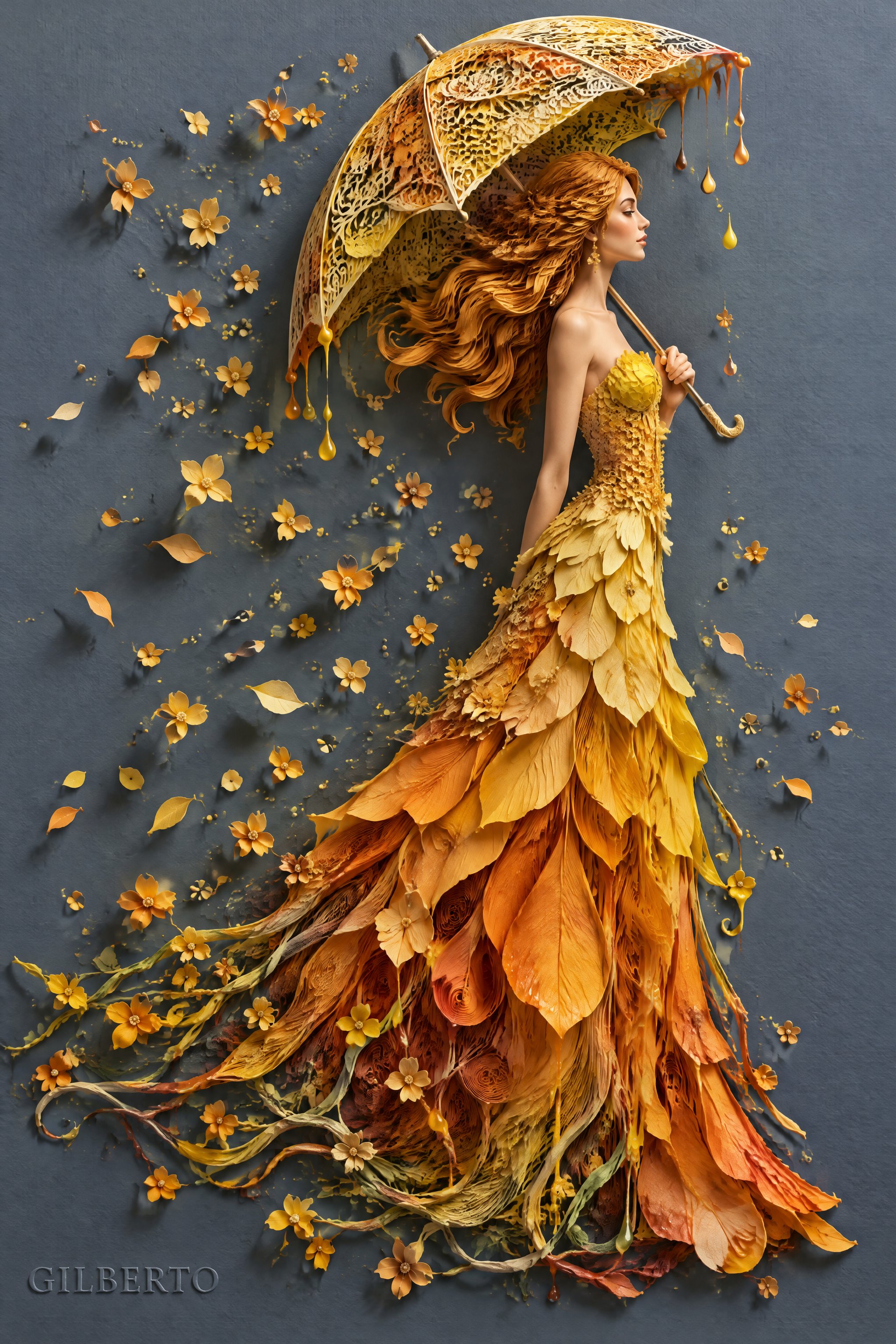
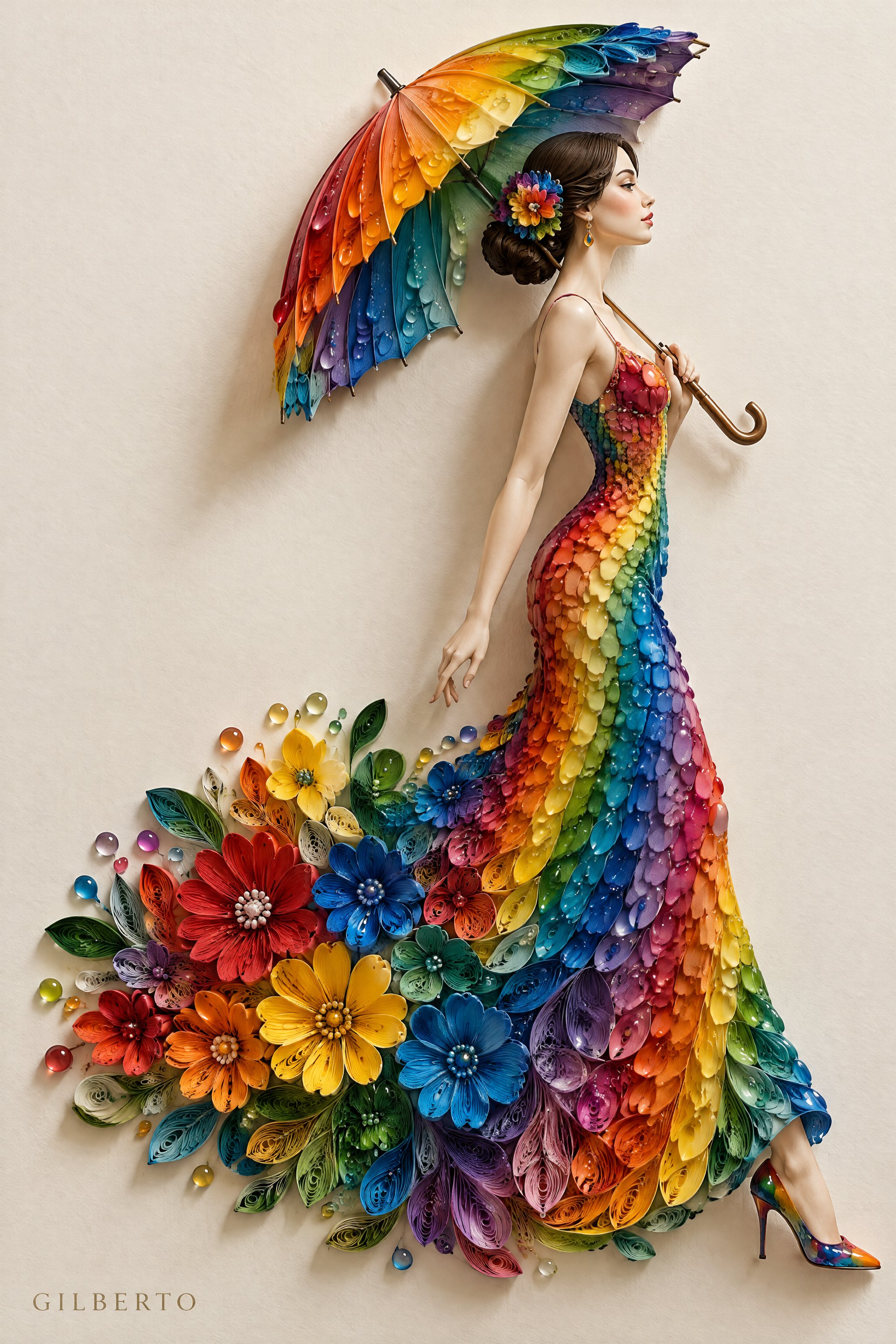
3D纸艺厚涂浮雕艺术 — AI image prompt — GPT Image 2 — Surreal, Digital Art, 3D Render - 1
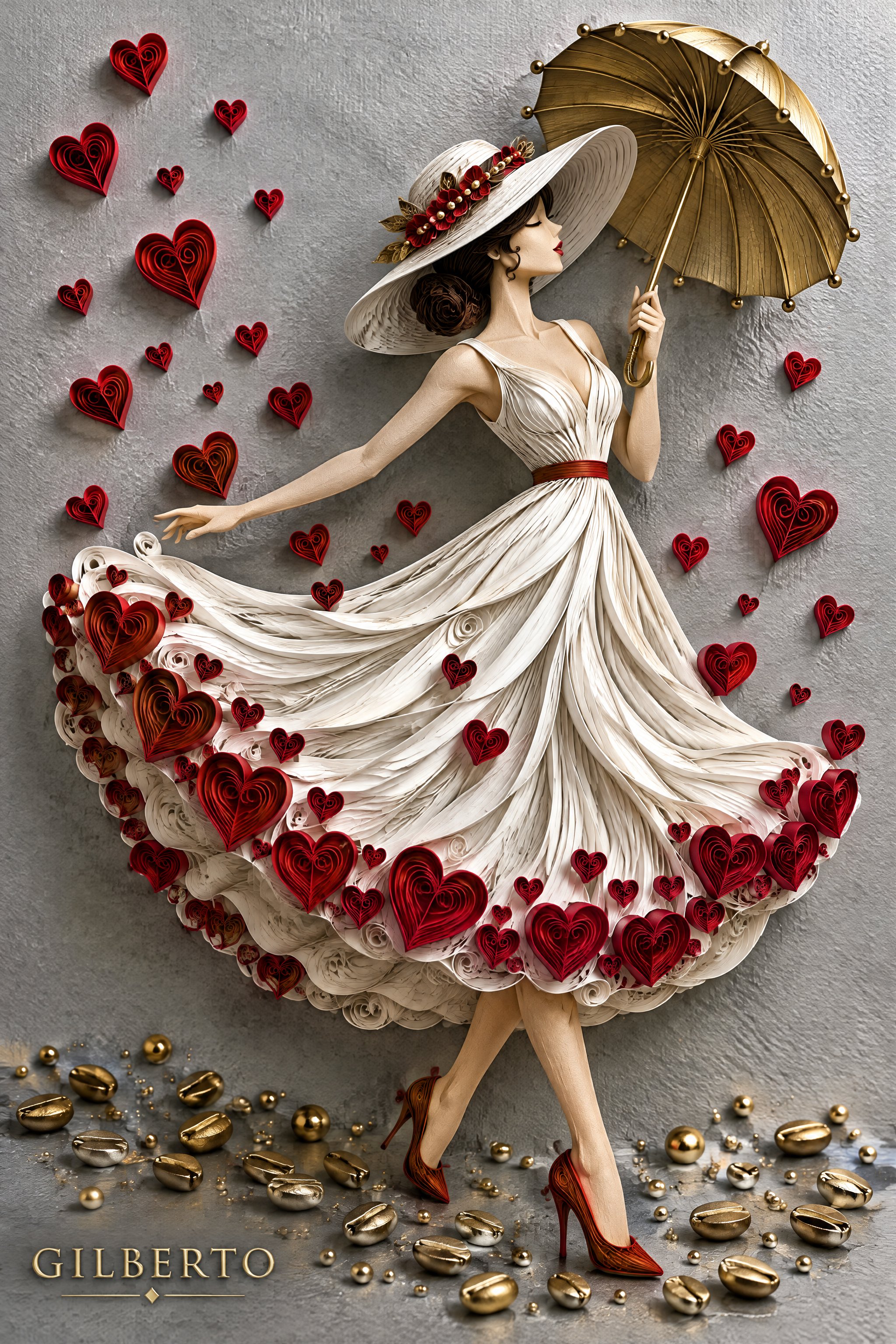
3D纸艺厚涂浮雕艺术 — AI image prompt — GPT Image 2 — Surreal, Digital Art, 3D Render - 2
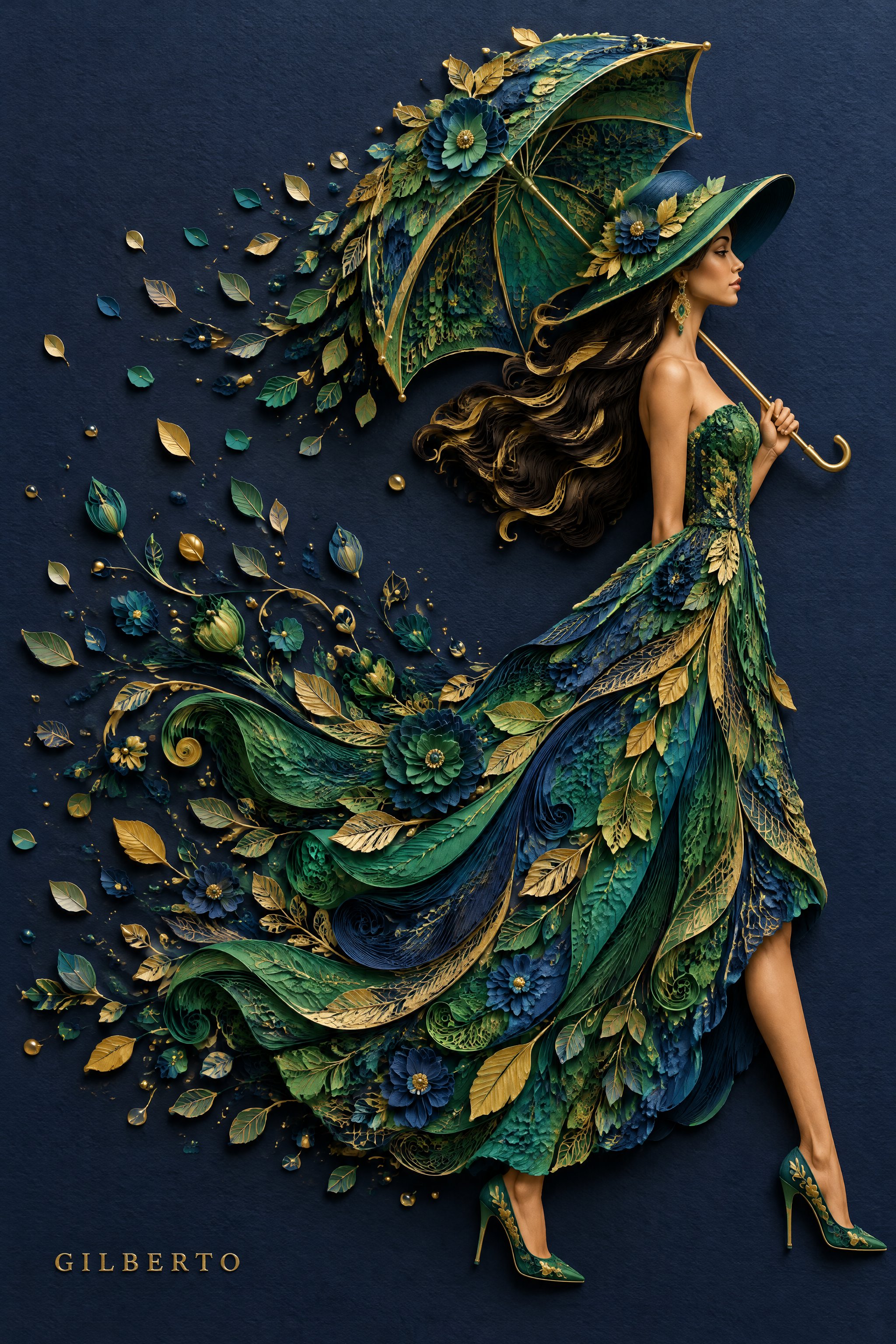
3D纸艺厚涂浮雕艺术 — AI image prompt — GPT Image 2 — Surreal, Digital Art, 3D Render - 3
3D纸艺厚涂浮雕艺术 — AI image prompt — GPT Image 2 — Surreal, Digital Art, 3D Render - 4

3D纸艺厚涂浮雕艺术

OpenAIGPT Image 2OpenAIimage

一幅3D高浮雕纸艺与肌理厚涂浮雕艺术作品,描绘[主体/姿态],置于平滑的[背景颜色与纹理]背景之上。 主体人物身穿[服装描述与材质细节],手持[建议配饰/雨伞类型]。服装与配饰采用精巧的层叠衍纸条、模塑树脂点缀,以及从底部向外迸发的动态[散落粒子/装饰元素,如飘落的花瓣、水滴、叶片]。 柔和的影棚灯光凸显隆起的触觉深度,并在画布上投下细腻的投影。--ar [宽高比,如1:1]

詳細資訊
类型
AI 圖片提示詞
畫面比例
2:3
更新於
2026年10月11日
分類
SurrealDigital Art3D Render
Source

如何使用這條提示詞

  1. 1點選上方複製按鈕,複製完整提示詞。
  2. 2開啟 OpenAI 的 GPT Image 2,或任何風格相近的圖片生成工具。
  3. 3貼上提示詞,替換主體和風格關鍵詞,改成你想要的畫面。
  4. 4按示例參數(2:3 · Surreal · Digital Art · 3D Render)生成,再小步迭代——措辭的細微變化會顯著影響結果。

常見問題

這張圖片是用哪個 AI 模型生成的?

本圖由 OpenAI 的 GPT Image 2 生成,頁面上的提示詞就是生成它的原始文字。

這條提示詞用了哪些參數?

示例由 GPT Image 2 生成,參數:2:3 · Surreal · Digital Art · 3D Render。沿用這些參數可獲得最接近的效果。

怎樣才能生成相似的效果?

先原樣複製提示詞,只替換主體、保留風格/光影/構圖關鍵詞,多生成幾次——每次輸出都會有差異。

可以修改這條提示詞嗎?

當然可以。提示詞最適合作為起點——調整描述詞、寬高比或風格標籤,做出屬於你自己的作品。
更多 GPT Image 2 提示詞

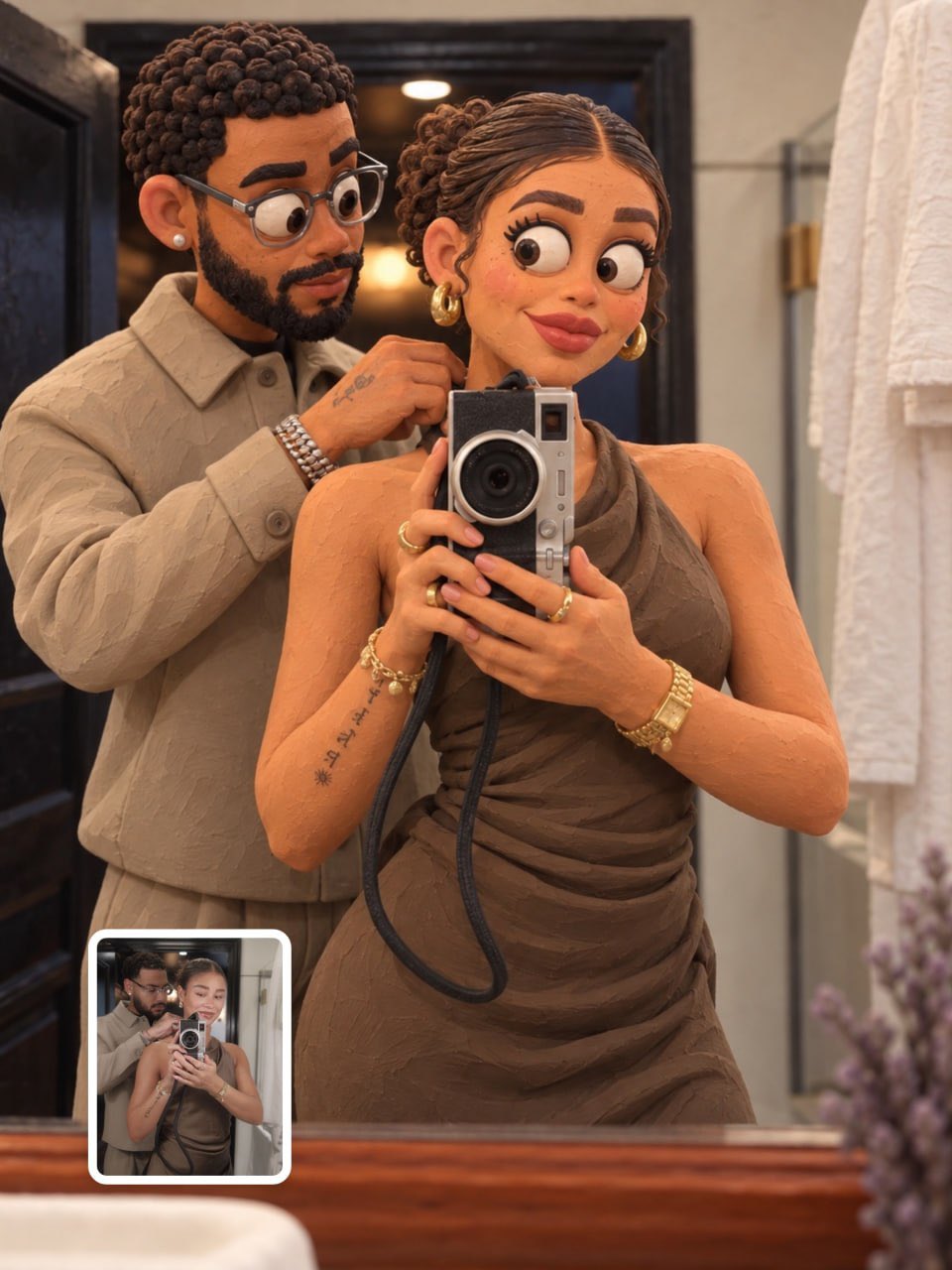
Transform the entire reference image into a highly detailed 3D plasticine world while using the orig — AI image prompt — GPT Image 2
OpenAIGPT Image 2
Transform the entire reference image into a highly detailed 3D plasticine world while using the original image as a strict spatial and compositional template. COMPOSITION LOCK Preserve the exact framing, camera angle, perspective, spatial arrangement, object positions, scale, proportions, rotations, and overall scene structure. Keep every existing element in its original location. Do not move, add, remove, duplicate, or rearrange objects. CHARACTERS Transform every character into an absurd handmade plasticine figure with exaggerated proportions, oversized heads, rubbery noodle-like limbs, expressive poses, bulging mismatched ping-pong-ball eyes, huge toothy smiles, oversized rectangular teeth, and visible pink gums. Keep each character's original pose and position while making the expressions humorous and slightly unsettling. PLASTICINE STYLE Everything is physically sculpted from heavy matte plasticine. Use crooked forms, imperfect edges, uneven geometry, subtle deformation, and deliberately handmade construction. Avoid clean CGI, perfect symmetry, sterile surfaces, or overly smooth geometry. TEXTURE Show strong tactile plasticine detail: deep fingerprints, fingernail marks, rough sculpting strokes, compressed areas, seams, dents, micro-cracks, tiny dust particles, lint, and small pieces of sculpting debris naturally embedded in the material. LIGHTING Soft cinematic studio lighting that reveals the handmade texture, imperfections, highlights, and shadows. Realistic dimensional lighting with matte surfaces and subtle depth. Avoid glossy or synthetic materials. OVERALL STYLE Absurdist stop-motion plasticine aesthetic, exaggerated caricature, humorous surrealism, tactile handmade craftsmanship, strange but playful atmosphere, highly detailed 3D sculpting, cinematic depth, realistic physical material rendering. QUALITY Ultra-detailed 3D render, sharp micro-texture, realistic plasticine material response, physically believable lighting, high-resolution, 4K quality. NEGATIVE PROMPT Do not change the original composition, framing, camera angle, perspective, object positions, or spatial relationships. No added objects, removed objects, duplicated objects, rearranged elements, smooth CGI geometry, glossy plastic, clean vector surfaces, realistic human skin, sterile 3D models, photorealistic people, or modern cartoon rendering. Preserve the original scene structure exactly while converting everything into the absurd handmade plasticine aesthetic. FORMAT: Vertical 3:4
檢視詳情
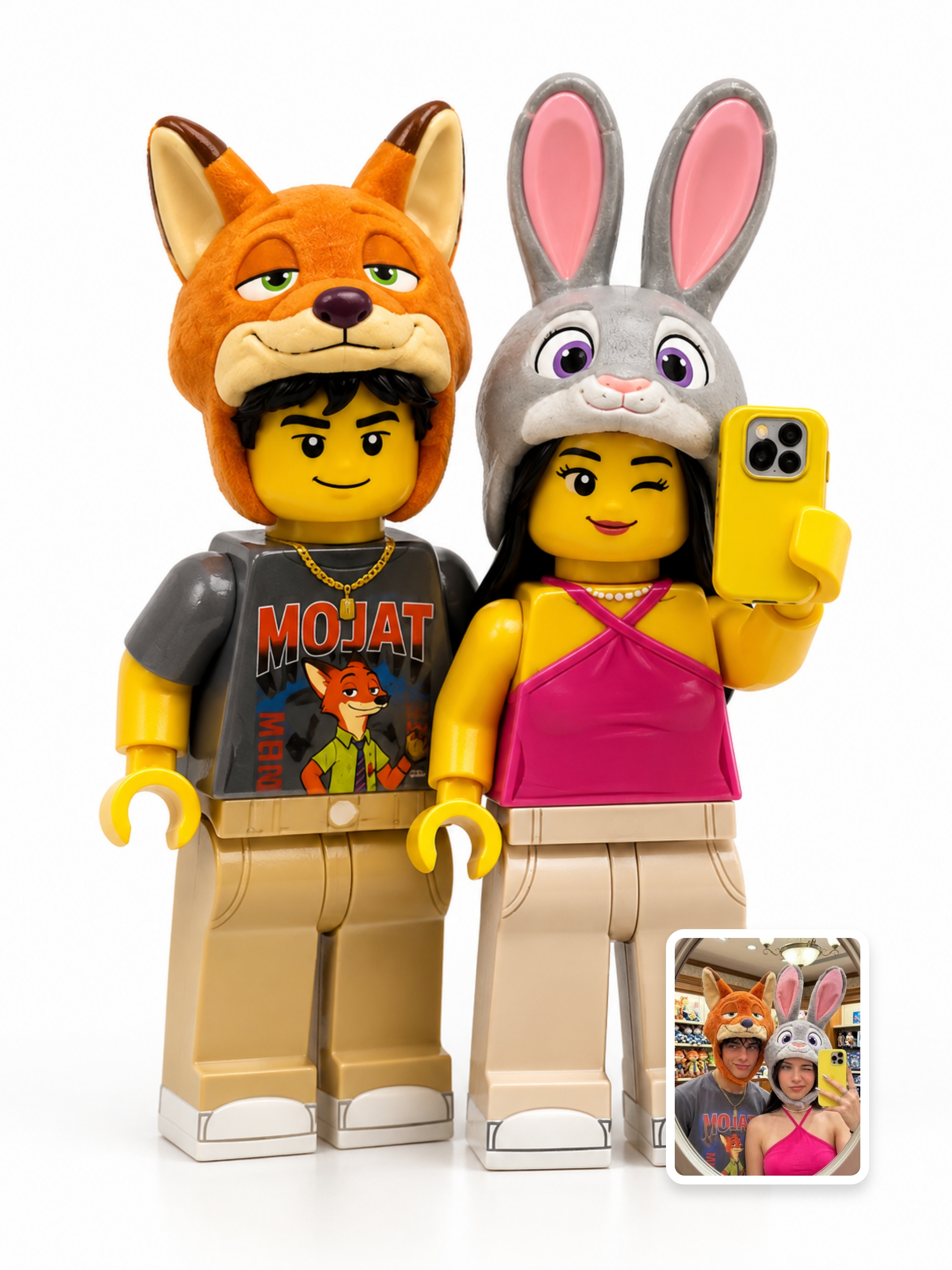
Transform every visible person in the uploaded image into realistic LEGO-style minifigure toys while — AI image prompt — GPT Image 2
OpenAIGPT Image 2
Transform every visible person in the uploaded image into realistic LEGO-style minifigure toys while preserving each person’s recognizable identity, hairstyle, outfit, colors, accessories, relative height, pose, and relationship to each other. FORMAT LOCK — NON-NEGOTIABLE Vertical 3:4 aspect ratio. Full-body product composition. All figures must be fully visible from head to toe. Do not generate square, landscape, widescreen, close-up, cropped, or half-body compositions. PERSON COUNT LOCK — NON-NEGOTIABLE Detect all visible people in the uploaded image. If there is 1 person, create 1 LEGO-style minifigure. If there are 2 people, create 2 LEGO-style minifigures. If there are 3 or more people, create the same number of LEGO-style minifigures. Do not remove, merge, ignore, duplicate, or replace any person. Every person visible in the reference image must appear as their own separate LEGO-style minifigure. REFERENCE LOCK — NON-NEGOTIABLE Use the uploaded image as the only reference for all subjects. Preserve each person’s recognizable facial identity as much as possible within the simplified LEGO minifigure style. Maintain each person’s hairstyle and hair color, adapted into molded LEGO-style plastic hairpieces. Preserve each person’s facial expression, clothing colors, clothing design, visible patterns, accessories, and styling. The final figures must clearly represent the same people translated into LEGO-style toy form. Do not create generic minifigures. Do not redesign outfits or invent new accessories. CLOTHING DETAIL LOCK Recreate each person’s outfit as accurately as possible in LEGO minifigure form. Preserve the exact clothing color palette, layering, garment type, collar shape, neckline, sleeves, jacket shape, pants or skirt style, shoes, visible patterns, seams, buttons, zippers, belts, logos, jewelry, bags, glasses, hats, and accessories. Translate real clothing into printed LEGO torso and leg graphics with clean toy-style linework. Outerwear should appear as molded or printed LEGO-style clothing details. Shoes should be simplified into LEGO foot/leg prints while keeping the original color and style. Do not replace outfits with generic LEGO clothing. Do not simplify clothing so much that the original styling is lost. GROUP COMPOSITION Keep the same number of people from the uploaded image. Preserve the relationship between subjects. Preserve relative height differences. Preserve basic pose direction and body language. If the reference shows a couple, create a matching LEGO-style couple. If the reference shows a group, create the full group as separate minifigures. Arrange the figures naturally together in a clean product-style composition. LEGO MINIFIGURE STRUCTURE Use authentic LEGO-style minifigure proportions for every figure. Cylindrical heads. Simplified printed facial features. Block-shaped torsos. Printed clothing details on each torso. Standard minifigure arms. Curved minifigure hands. Short minifigure legs. Custom molded plastic hairpieces matching each subject’s hairstyle. Classic yellow heads or realistic skin-tone heads depending on the uploaded subjects and chosen visual direction. MATERIAL & TEXTURE Render all figures as realistic molded plastic. Subtle glossy finish. Fine molded seams. Clean toy-surface reflections. Realistic plastic highlights. Printed face, torso, and leg details. Hairpieces should look like molded plastic, not real hair. Clothing should appear as printed LEGO-style graphics and molded toy details, not real fabric. COMPOSITION Full-body minifigures visible from head to toe. All figures centered in the frame. Entire group fully visible. No cropping. No close-up portrait framing. No props. No scenery. No extra elements. BACKGROUND Pure clean white background. Studio product photography setup. Minimal and premium. No environment, no table clutter, no unrelated objects. LIGHTING Soft diffused studio lighting. Subtle natural shadows beneath the figures. Crisp detail visibility. Balanced reflections across the plastic surfaces. Professional toy photography quality. OUTPUT STYLE Photorealistic LEGO-style minifigure toy render. High-quality 3D product visualization. Sharp focus. Clean white-background presentation. Premium collectible toy aesthetic. Highly detailed plastic texture. Professional studio lighting. The final image should look like realistic custom LEGO-style minifigures of every visible person from the uploaded image, photographed as a premium toy product.
檢視詳情
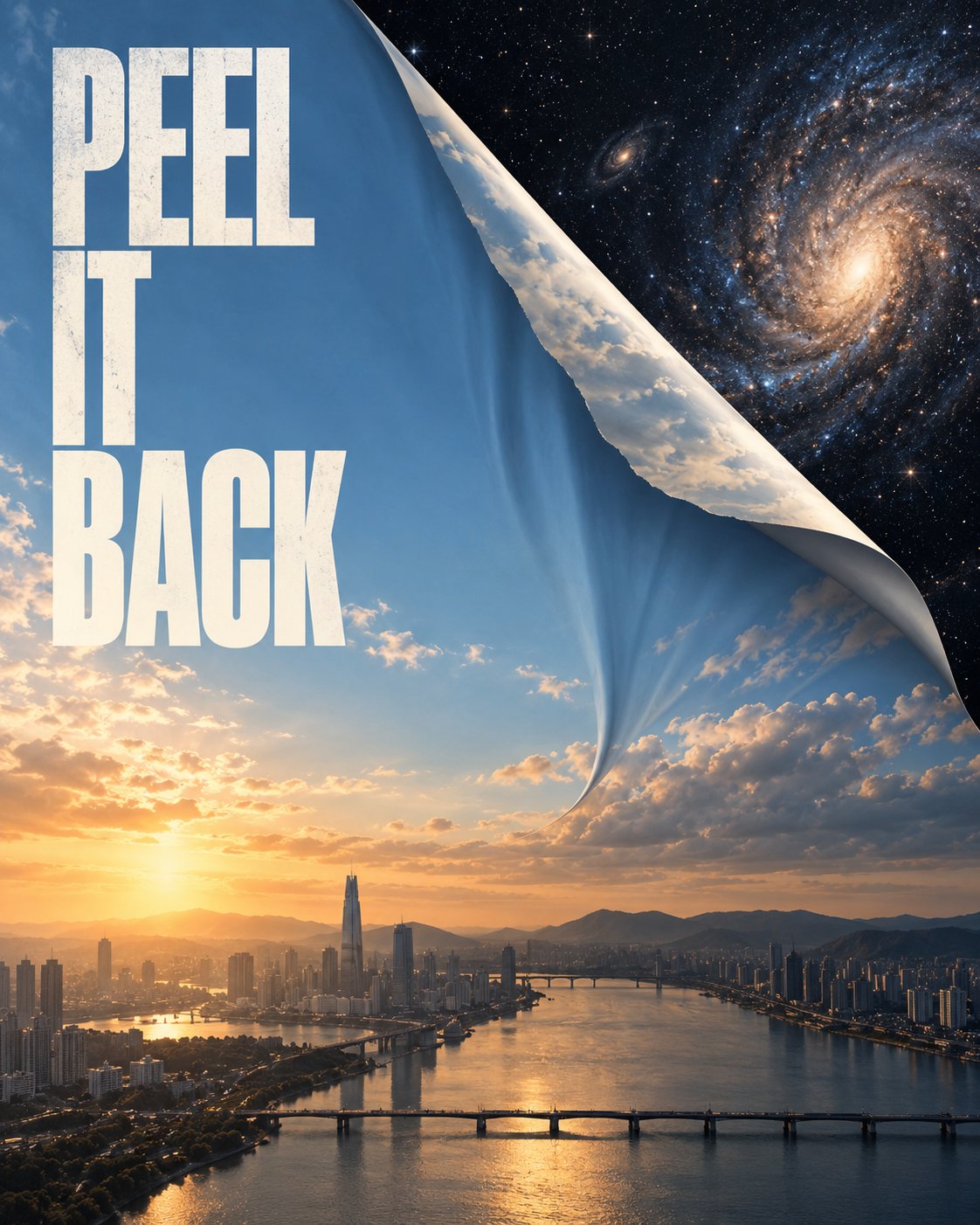
Create a spectacular stop-scrolling surreal editorial advertising poster in a vertical 4:5 compositi — AI image prompt — GPT Image 2
OpenAIGPT Image 2
Create a spectacular stop-scrolling surreal editorial advertising poster in a vertical 4:5 composition. CORE CONCEPT Take an untouchable element of reality—[SKY / OCEAN / SHADOW / SUNSET / CITY / CLOUDS / HORIZON / NIGHT / LIGHT / LANDSCAPE]—and make it physically behave like [PAPER / FABRIC / PAINT / PLASTIC / GLASS / WALLPAPER / LIQUID / RUBBER]. Show one monumental physical action: [ZIP IT OPEN / TEAR IT / PEEL IT / PAINT IT / FOLD IT / STRETCH IT / CUT IT / UNBUTTON IT / ERASE IT]. Behind the manipulated reality, reveal [HIDDEN REALITY]. The contrast must instantly communicate [YOUR MESSAGE]. The concept should be understandable within one second without relying on text. SCALE & REALISM Make the intervention enormous, affecting a major portion of the environment so reality itself feels tangible. Give the material convincing thickness, folds, tension, torn edges, wrinkles, reflections, shadows, deformation, or wetness appropriate to its physical properties. COLOR Use strong controlled contrast: Visible world: [COLOR 1] Hidden world: [COLOR 2] Accent: [COLOR 3] Limit the palette to 3–4 dominant colors. TYPOGRAPHY Headline: "[HEADLINE]" — maximum 2–5 words. Use one premium editorial typeface: [ULTRA-CONDENSED GROTESK / MASSIVE GEOMETRIC SANS / HIGH-CONTRAST SERIF]. Integrate the typography into the physical action. Letters may tear, fold, bend, disappear behind the opening, change color, or follow the distorted surface. Keep the headline instantly readable at thumbnail size. VISUAL STANDARD World-class conceptual advertising, surreal photography, monumental scale, hyperreal material behavior, cinematic lighting, bold negative space, controlled color blocking, tactile print texture, subtle analog film grain, and one unforgettable visual idea. The final image should trigger an immediate “HOW IS THAT POSSIBLE?” reaction while remaining elegant, sophisticated, and suitable for a global fashion, culture, or creative campaign. AVOID: clutter, generic stock imagery, unnecessary characters or objects, excessive microtext, logos, QR codes, watermarks, generic AI-art aesthetics, and Canva-style templates.
檢視詳情
GPT Image 2 on ChatGPT 

Prompt:

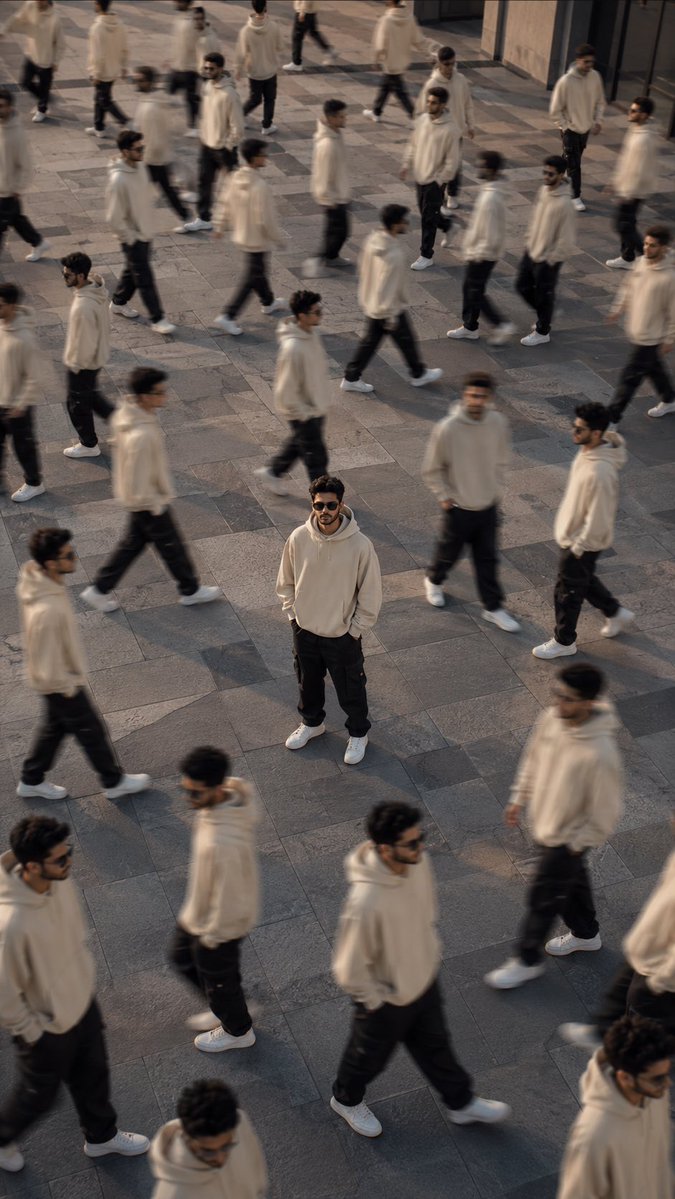
Ultra-cinematic surreal clone photography, aerial high-angle view  — AI image prompt — GPT Image 2
OpenAIGPT Image 2
GPT Image 2 on ChatGPT Prompt: Ultra-cinematic surreal clone photography, aerial high-angle view of a young Indian man standing motionless at the center of a vast urban plaza while dozens of identical copies of him move around in different directions. The clones all share the same appearance as each other, creating a striking visual repetition effect, but are not based on any reference image or real person. Handsome Indian male with a sharp jawline, neatly styled textured black hair, trimmed beard, expressive dark eyes, natural skin texture, and realistic facial proportions. Every clone has the exact same face, outfit, hairstyle, and body proportions. The central character remains perfectly sharp and isolated from the crowd, standing confidently with hands in pockets, wearing an oversized cream hoodie, black cargo pants, white sneakers, and dark sunglasses. Surrounding clones wear the identical outfit and appear slightly motion-blurred as they walk, run, and cross paths around him. Strong contrast between stillness and motion. Expansive geometric stone pavement, minimal modern architecture, subtle city elements, warm early-morning sunlight, soft atmospheric haze, realistic shadows, cinematic depth, and premium editorial fashion photography aesthetics. Tilt-shift effect creates a miniature-world illusion while maintaining realistic scale. Mood is introspective, powerful, and surreal, one person surrounded by endless versions of himself. Hyper-realistic skin detail, authentic anatomy, natural proportions, realistic clothing folds, cinematic color grading, shallow depth of field, HDR lighting, subtle film grain, luxury fashion campaign quality, contemporary surreal visual storytelling. No face distortion, no extra limbs, no duplicated body errors, no asymmetrical eyes, no cartoon style, no artificial AI-looking faces. Shot on Sony A7R IV, 85mm lens, f/1.8, aerial perspective, ultra-detailed, 8K, vertical 9:16 composition.
檢視詳情
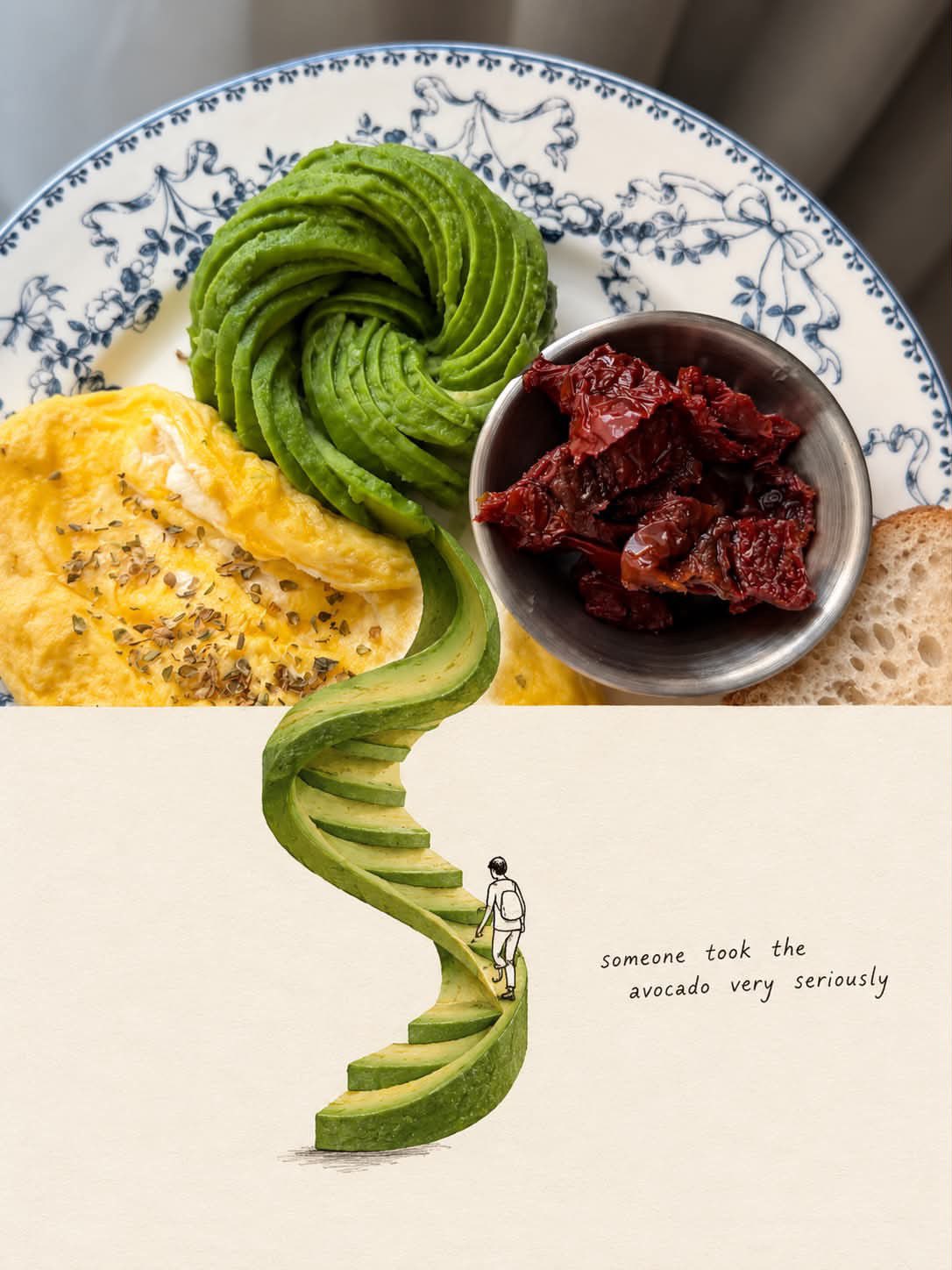
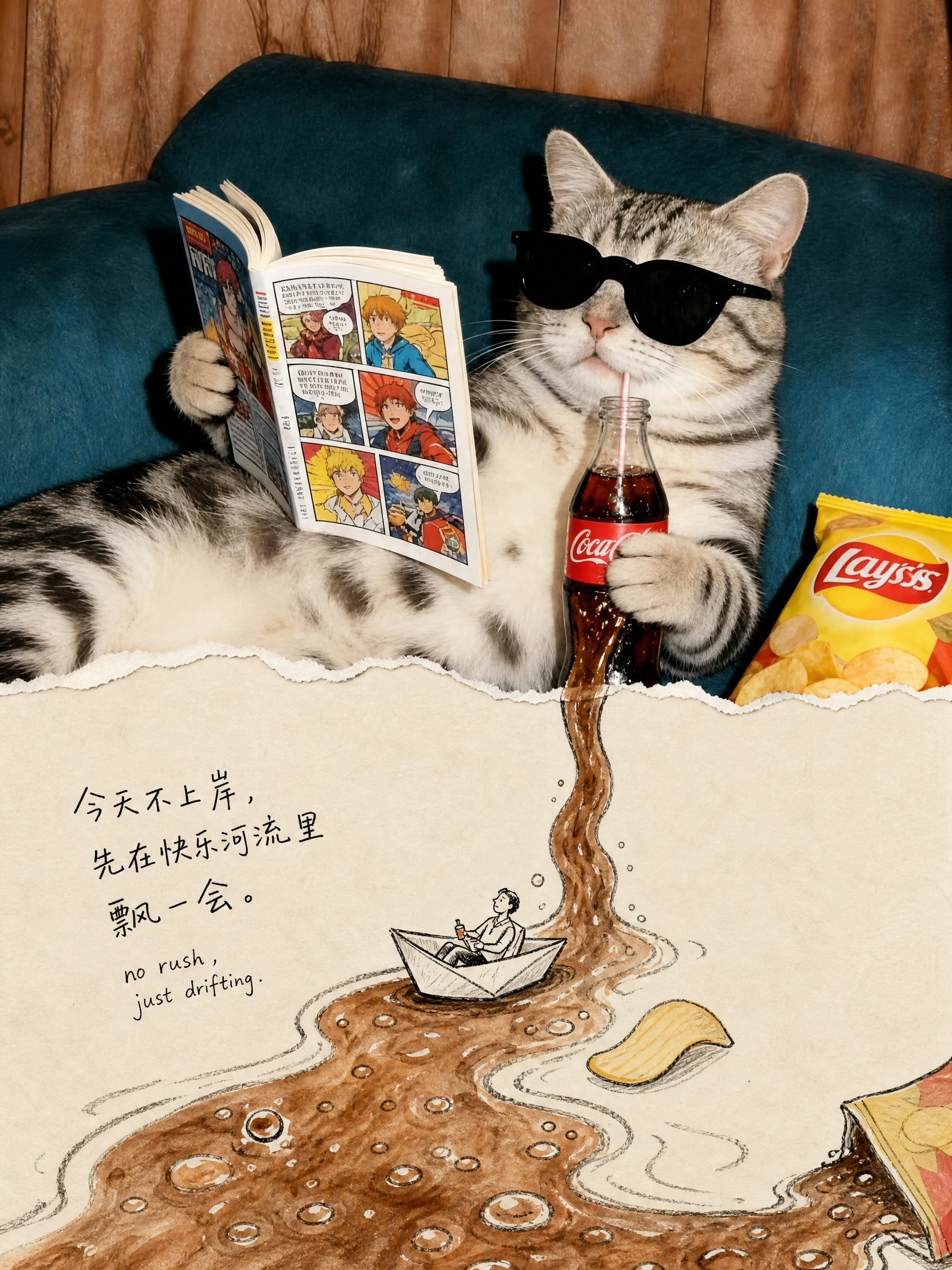
Use the uploaded food photograph as the primary reference and transform it into a vertical 3:4 edito — AI image prompt — GPT Image 2
OpenAIGPT Image 2
Use the uploaded food photograph as the primary reference and transform it into a vertical 3:4 editorial art poster while preserving the main food, its appearance, composition, colors, textures, and recognizable details. Keep the upper half photorealistic, styled like a premium lifestyle/food magazine photograph: natural warm light, soft realistic shadows, elegant composition, authentic food textures, subtle film grain, vintage photography atmosphere, and a sophisticated cozy aesthetic. In the lower half, seamlessly transform the main food or a visually important element from the photograph into a whimsical hand-drawn scene or surreal miniature world related to the food. Extend, reshape, or reinterpret the food naturally as part of the illustration. Add one or two tiny human figures interacting with it in a charming, imaginative way. Use delicate imperfect ink linework, minimal vintage sketch style, subtle botanical/details, warm ivory paper texture, and plenty of negative space. Create a smooth, creative transition between the realistic photograph and the illustration so they feel like one continuous artwork rather than two separate images. The illustrated scene should tell a simple visual story based on the food and its characteristics. Add a short, witty handwritten caption that relates specifically to the food and the illustrated concept. Use small, understated handwritten typography that feels naturally drawn onto the paper. Overall style: premium editorial food photography + whimsical conceptual illustration + vintage storybook aesthetic + minimalist art direction + warm nostalgic mood. Composition: vertical 3:4, balanced negative space, realistic upper section, illustrated lower section, seamless transition, refined visual hierarchy. Avoid: changing the identity of the food, excessive decoration, clutter, large typography, borders, frames, logos, watermarks, harsh dividing lines, cartoonish 3D graphics, overly saturated colors, or an artificial AI-generated appearance.
檢視詳情
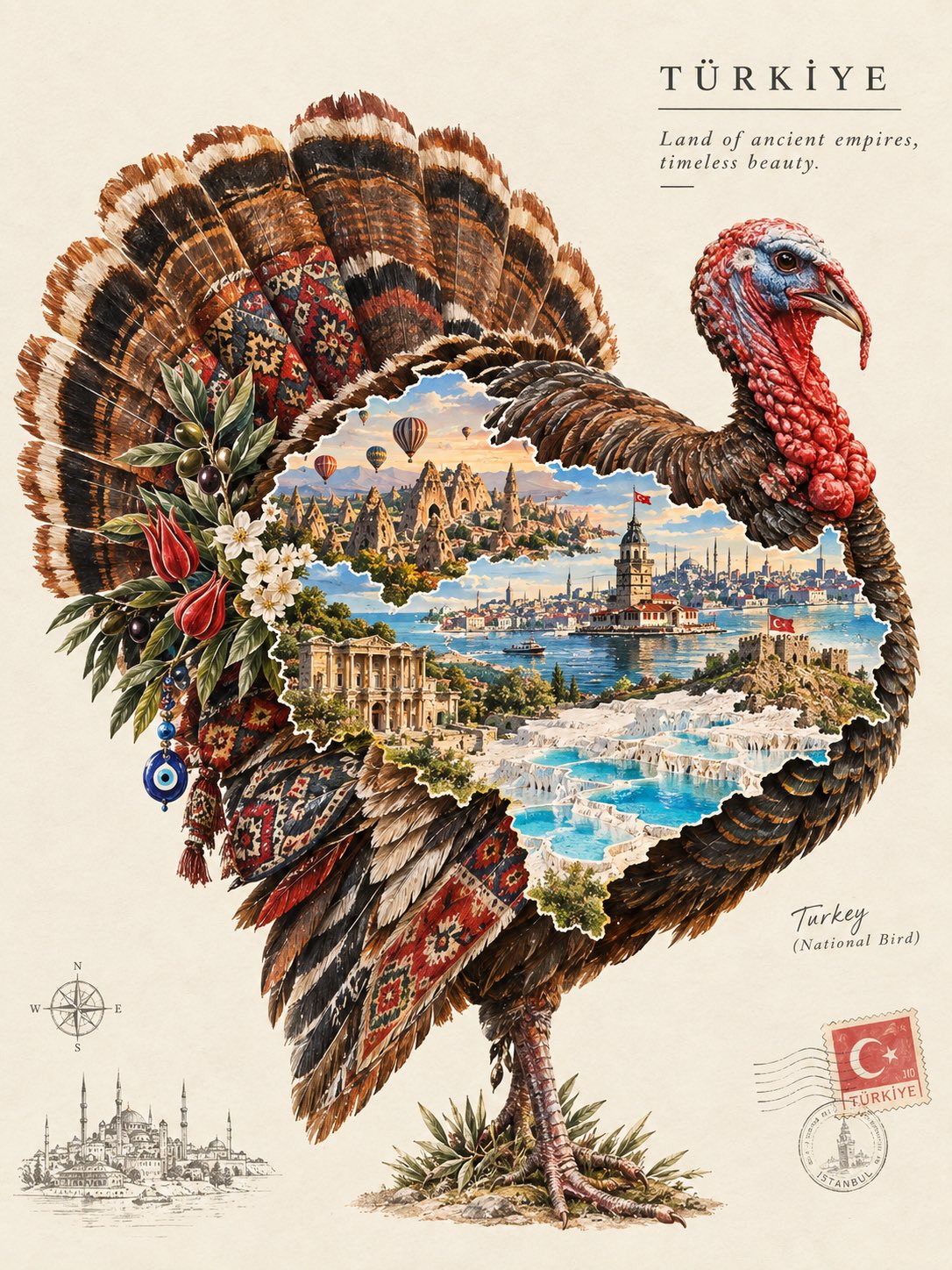
Create a beautiful artistic illustration of [COUNTRY] represented through its national bird, [NATION — AI image prompt — GPT Image 2
OpenAIGPT Image 2
Create a beautiful artistic illustration of [COUNTRY] represented through its national bird, [NATIONAL BIRD]. Shape the bird naturally around the recognizable outline of [COUNTRY], with the country’s map clearly visible within its body and feathers. Incorporate iconic landscapes, landmarks, traditional patterns, flowers, and cultural elements of [COUNTRY] subtly inside the bird. Keep the bird realistic yet artistic, elegant composition, detailed feathers, soft natural lighting, premium travel-art aesthetic, clean background, highly detailed, sophisticated and visually meaningful.
檢視詳情
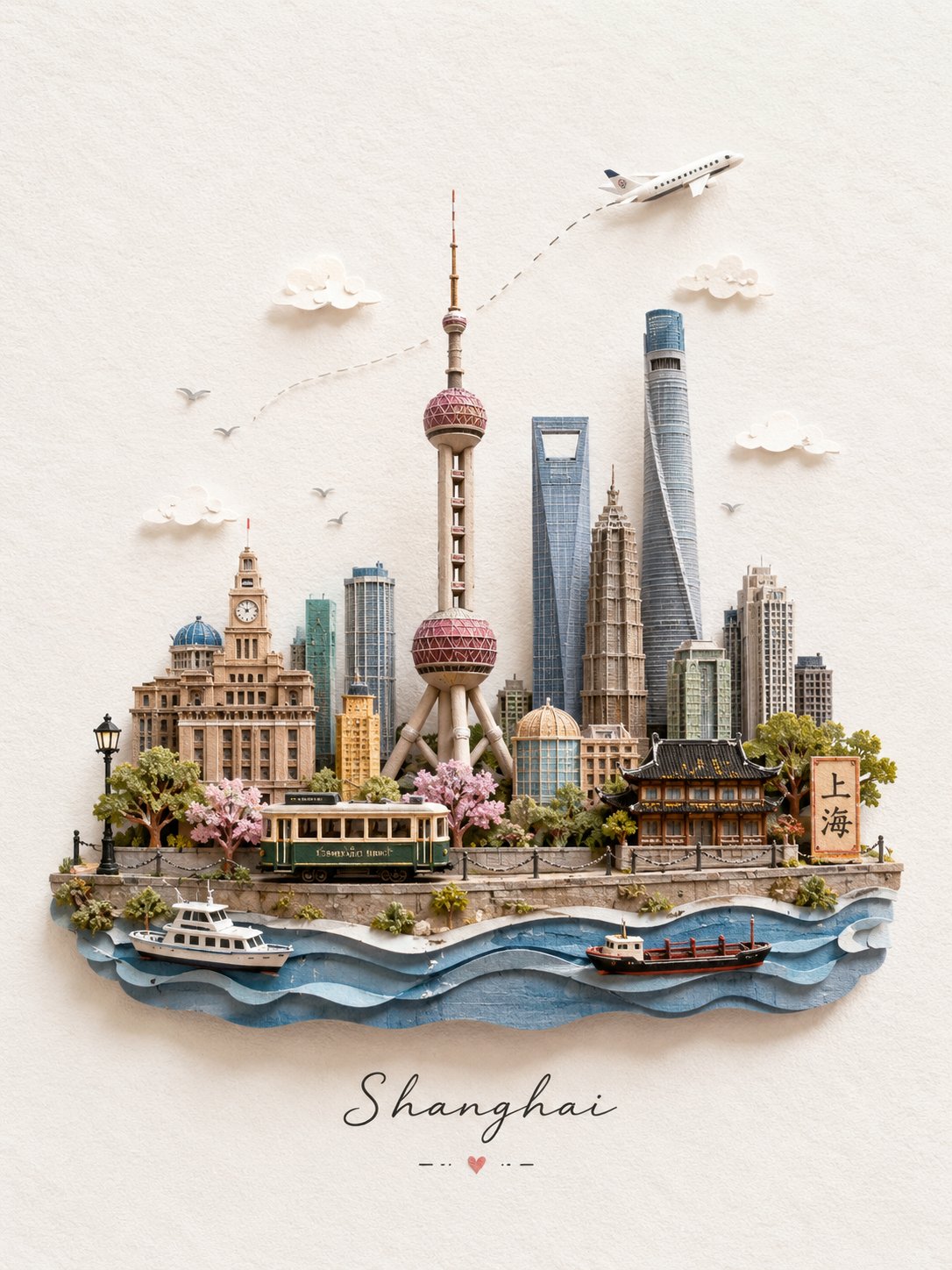
Create a charming miniature 3D paper-craft travel illustration of [DESTINATION], designed as a delic — AI image prompt — GPT Image 2
OpenAIGPT Image 2
Create a charming miniature 3D paper-craft travel illustration of [DESTINATION], designed as a delicate handmade travel postcard. Use only the destination name to identify the location, then feature its most recognizable local landmarks, architecture, and cultural elements as tiny handcrafted models arranged naturally on a narrow floating landscape strip. Include charming miniature details that reinforce the destination, such as authentic local transportation, trees, street lamps, pathways, water, birds, clouds, and a small airplane with a subtle dotted flight path. Keep every landmark recognizable and geographically appropriate to the destination. Use a soft white textured paper background with gentle natural lighting, pastel colors, soft shadows, and a clean airy composition. Make the miniature elements appear handcrafted from layered paper, clay, wood, cardstock, and other delicate craft materials, with tactile textures, tiny details, subtle imperfections, and realistic miniature depth. Keep the scene centered and elegant with generous negative space around the floating landscape strip. Add a small refined handwritten-style title at the bottom reading “[DESTINATION]”. Style: miniature diorama, handcrafted paper art, whimsical 3D illustration, travel postcard, soft pastel palette, tactile craft textures, macro photography feel, delicate details, cozy artistic aesthetic, realistic miniature depth, high resolution, vertical 3:4 composition.
檢視詳情
Generate independently for each photo.  {   "name": "Second World",   "version": "1.2",   "task": "U — AI image prompt — GPT Image 2
OpenAIGPT Image 2
Generate independently for each photo. { "name": "Second World", "version": "1.2", "task": "Using each uploaded photo as an independent source, generate one complete poster per photo. Do not merge multiple photos onto the same canvas.", "output": { "aspect_ratio": "3:4", "orientation": "vertical", "one_poster_per_photo": true, "layout": "Canvas horizontally divided at exactly 50% height, with upper and lower sections each occupying 50%, same width", "no_mockup": true }, "core_principle": "The Second World is already hidden in the photo. Let the same scene pass through the midline and continue downward, changing only the physical rules in the lower half. Continuity of the cross-boundary structure is the highest visual priority.", "upper_half": { "source": "The current uploaded photo", "preserve": [ "Subject identity and appearance", "Character poses, expressions, and actions", "Spatial relationships, proportions, and perspective", "Original color atmosphere", "Natural lighting and shadows", "Environment and important details" ], "allowed_change": "Only necessary proportional cropping to fit the upper half, avoiding cutting off key subjects or connection structures", "forbidden": [ "Redesigning the photo", "Redrawing or replacing the subject", "Rearranging characters and objects", "Changing the photo's colors", "Fictional lighting or background" ], "fidelity_rule": "Prioritize directly reusing the original photo; do not claim generative redrawing as lossless preservation of the original. If the tool cannot meet original preservation and precise layout, state the limitations—do not lower requirements and claim full compliance." }, "continuity": { "choose_one_source_structure": "Identify a structure from the original photo that can naturally extend to the midline, such as a road, shoreline, water surface, reflection, tree branch, light beam, architectural line, clothing flow, or body movement", "requirements": [ "The structure must continue into the lower half at the exact midline meeting point", "Maintain believable continuity in direction, position, scale, and occlusion relationships", "Establish a visible connection first, then develop the lower half's imagination", "Both halves must read as the same scene, not like two independent images stacked vertically" ], "transition_edge": { "optional": "Allow irregular torn paper edges", "rule": "Tearing must follow the original image's structure, not just as decoration, and avoid using the same tearing shape for every image", "interaction": "Source elements can touch, cling to, pass through, or cross over the torn edge" } }, "lower_half": { "background": "Warm ivory paper texture, with subtle visible fibers, rich negative space", "media": [ "Restrained photo fragments", "Simple cut-paper shapes", "Minimal black hand-drawn lines" ], "construction": "Extend downward from where the upper half's source structure meets the midline, then gradually reinterpret it as the Second World", "prohibited": "Do not turn it into an isolated entrance, window, stage, platform, or floating vignette, unless the form clearly grows continuously from the original photo", "density": "Bright, airy, restrained—avoid dense drawing or collage buildup" }, "second_world_logic": { "question": "If the structure in the photo could be touched, used, entered, folded, stretched, or changed, what would it naturally become?", "interaction_count": 1, "instruction": "Establish only one specific, clear, and interesting interaction per image, prioritizing possibilities discovered from the original image's shapes and actions, not reverse-engineering from fixed props or templates.", "examples_for_logic_only": [ "Water surface remains connected to the lake while being rolled up or stretched", "Road extends onto the paper, becoming a path that can be continued by drawing", "An existing light beam extends downward, becoming something gently graspable" ], "variation": "Judge each work individually—do not mechanically repeat actions, connection structures, compositions, or jokes. Examples are not required content." }, "tiny_figures": { "count": "0–3", "appearance": "Minimalist, tiny black line figures", "add_only_if": "Figures can engage in necessary and explicit physical interaction with the extending structure", "omit_if": "Source photo already contains strong human actions", "forbidden": "Using little figures as irrelevant decorations or adding crowds just for liveliness" }, "copy": { "language": "Primarily Chinese, paired with a short English accent", "main_text": "A short, witty, cute, humorous Chinese marginal note, or one with a slight surprising insight", "english": "Shorter, lighter English supplement; can complement the Chinese without word-for-word translation", "intent": "Make viewers smile knowingly after seeing the image and then the small text, or suddenly understand one more layer", "requirements": [ "Recreate based on this photo's specific interaction with the Second World", "Don't just name the action or mechanically describe the image", "Can include anthropomorphism, slight contrasts, deadpan little jokes, or gentle self-deprecation", "Can have a wake-up-call vibe, but no grand life lessons", "Don't force self-love, motivational, or emotional comfort templates", "Humor targets the situation, without belittling characters' appearance, identity, or circumstances" ], "avoid": [ "Vague inspirational fluff", "Grand maxims", "Preachiness", "Ad slogans", "Irrelevant internet memes", "Fixed 'same..., different..
檢視詳情
瀏覽全部 GPT Image 2 提示詞探索AI 圖片提示詞